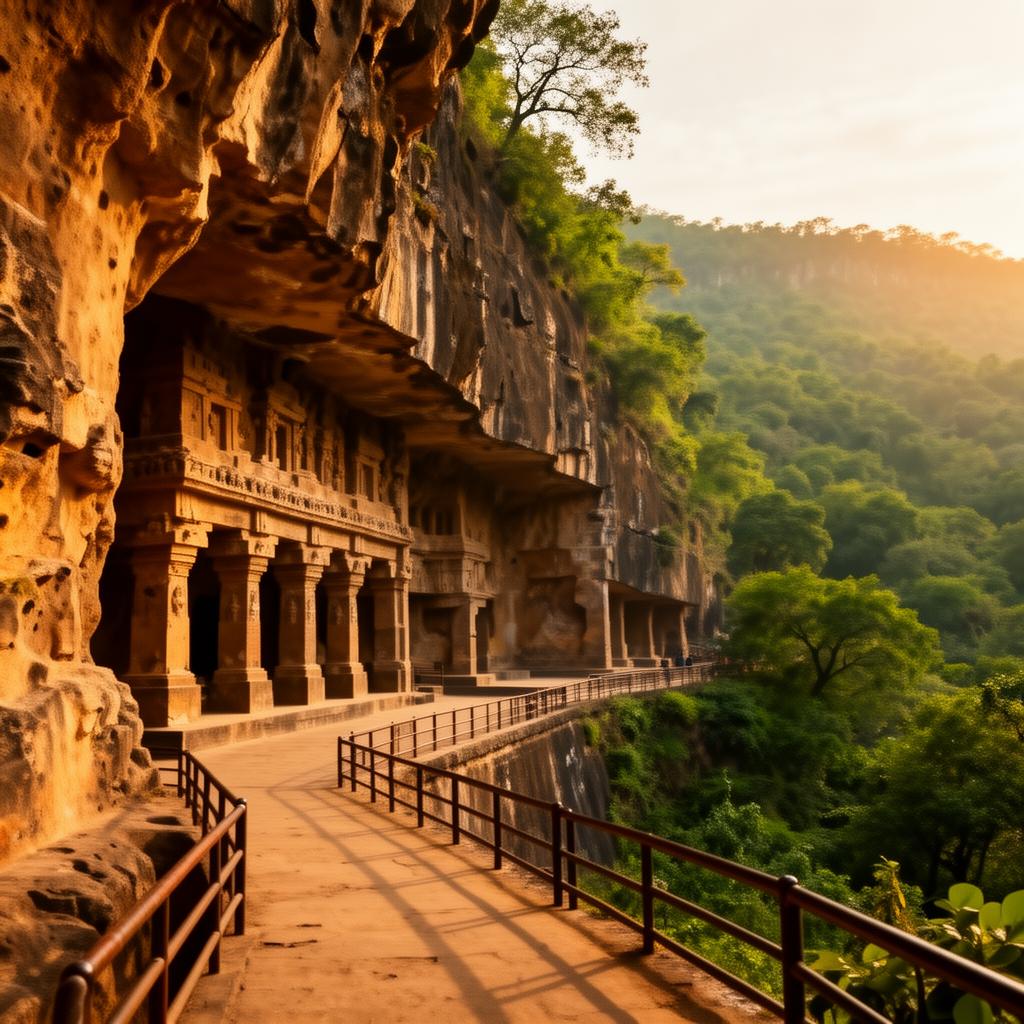
Zanskar Valley
ValleyZanskar Valley, nestled in the remote reaches of Ladakh, India, is a breathtaking high-altitude semi-desert region renowned for its stark beauty, dramatic landscapes, and ancient monasteries. It's a land of towering snow-capped peaks, deep gorges carved by the Zanskar River, and vibrant green patches of cultivated land.
About Zanskar Valley
Zanskar Valley, nestled in the remote reaches of Ladakh, India, is a breathtaking high-altitude semi-desert region renowned for its stark beauty, dramatic landscapes, and ancient monasteries. It's a land of towering snow-capped peaks, deep gorges carved by the Zanskar River, and vibrant green patches of cultivated land. The valley remains largely untouched by modern development, offering an authentic glimpse into Tibetan Buddhist culture and a way of life that has remained unchanged for centuries. Adventure enthusiasts are drawn to its challenging treks, particularly the famous Chadar Trek (frozen river trek) in winter, while spiritual seekers find solace in its isolated monasteries and serene environment. The pristine environment, combined with the warm hospitality of its inhabitants, makes Zanskar an unforgettable destination for those seeking solitude and an escape into nature's grandeur.
History
The history of Zanskar is deeply intertwined with that of Ladakh and Tibetan Buddhism. Historically, Zanskar was an independent kingdom, often aligning itself with either Ladakh or Kullu, depending on regional power dynamics. Its strategic location on ancient trade routes between Tibet and India played a significant role in its cultural development. The valley saw the flourishing of numerous monasteries, with some like Karsha and Phugtal dating back many centuries, becoming centers of learning and spiritual practice. In the 17th century, Zanskar was eventually integrated into the Kingdom of Ladakh. Despite various invasions and political shifts, the region largely retained its distinct cultural identity and practices, characterized by its unique dialect, customs, and strong adherence to Tibetan Buddhism. The isolated nature of the valley meant that its cultural heritage remained largely preserved, offering a living museum of ancient Himalayan traditions.
Highlights
- Chadar Trek (Frozen River Trek) in winter
- Visit ancient monasteries like Phugtal, Karsha, and Stongdey
- Trek through dramatic gorges and high-altitude passes
- Experience the traditional Zanskari way of life
- Rafting on the Zanskar River (seasonal)
- Explore Padum, the administrative center
- Witness breathtaking panoramic mountain views
- Observe unique Tibetan Buddhist culture and festivals
Visitor Information
Plan your visit to Zanskar Valley.
Discover the heritage and culture of India.