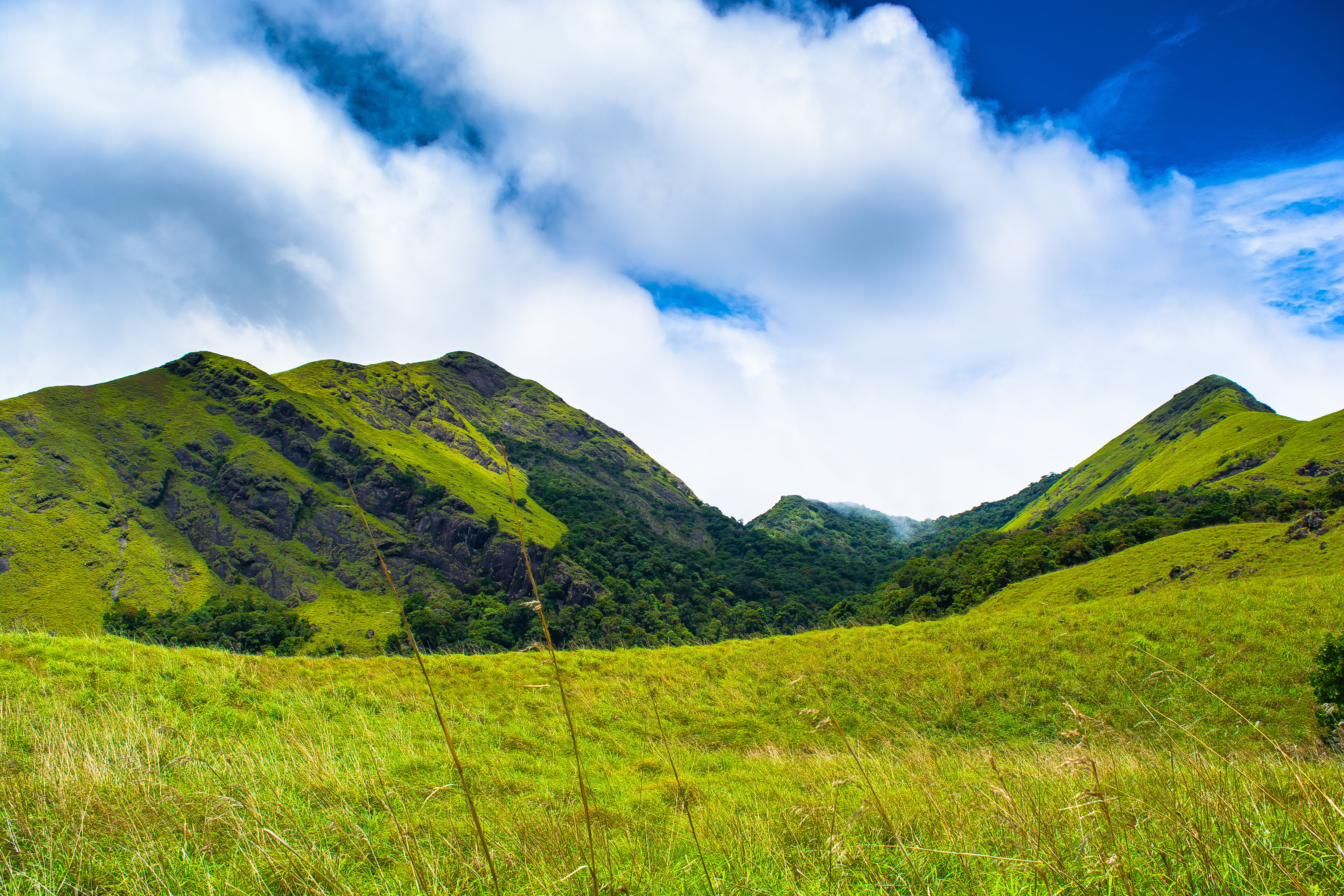
Wayanad
Hill StationWayanad, nestled in the Western Ghats of Kerala, is a verdant paradise renowned for its breathtaking natural beauty and rich cultural heritage. This elevated district boasts mist-clad mountains, dense forests, winding rivers, and cascading waterfalls, creating a tranquil escape for nature lovers and adventurers alike.
About Wayanad
Wayanad, nestled in the Western Ghats of Kerala, is a verdant paradise renowned for its breathtaking natural beauty and rich cultural heritage. This elevated district boasts mist-clad mountains, dense forests, winding rivers, and cascading waterfalls, creating a tranquil escape for nature lovers and adventurers alike. The region is characterized by its sprawling spice plantations – coffee, tea, cardamom, and pepper – which perfume the air and offer stunning landscapes. Wayanad is also home to historical caves, ancient temples, and vibrant tribal communities, providing a unique blend of experiences. Whether you seek serene trekking trails, thrilling wildlife encounters, or a peaceful retreat amidst nature, Wayanad promises an unforgettable journey into the heart of Kerala's untouched wilderness. Its cool climate and pristine environment make it an ideal destination to rejuvenate and connect with the natural world.
History
The history of Wayanad is deeply intertwined with its indigenous communities and ancient civilizations. Archaeological evidence, particularly from the Edakkal Caves, suggests human habitation in the region dating back to the Neolithic age, around 6000 BCE, making it one of the oldest inhabited areas in Kerala. Historically, Wayanad was part of the ancient Kadamba and Gangavadi dynasties before coming under the dominion of the Vijayanagara Empire. Later, it became a strategic territory for local chieftains and witnessed the rise and fall of several powerful rulers. In the 18th century, Wayanad played a significant role in the Anglo-Mysore Wars, as Hyder Ali and his son Tipu Sultan, rulers of Mysore, controlled the region. Following Tipu Sultan's defeat, Wayanad was ceded to the British East India Company in 1792. During the British Raj, the region saw extensive development of coffee and tea plantations, leading to significant changes in its landscape and economy. The resistance movements led by local tribal leaders like Pazhassi Raja against British rule are also a crucial part of Wayanad's historical narrative, reflecting a strong spirit of independence and resilience among its people.
Highlights
- Explore the ancient Edakkal Caves with prehistoric rock carvings.
- Trek through the lush Wayanad Wildlife Sanctuary to spot elephants and tigers.
- Visit the majestic Soochipara Falls (Sentinel Rock Waterfalls) for a refreshing dip.
- Enjoy panoramic views from the top of Chembra Peak, the highest peak in Wayanad.
- Take a boat ride on the serene Pookode Lake, surrounded by forests.
- Wander through spice plantations of coffee, tea, and cardamom.
- Discover the Banasura Sagar Dam, India's largest earthen dam.
- Experience local culture at local tribal villages and markets.
Visitor Information
Plan your visit to Wayanad.
Discover the heritage and culture of India.