Vikramshila
HeritageVikramshila, nestled in the Bhagalpur district of Bihar, stands as a poignant reminder of India's intellectual zenith during the Pala Empire. Once a thriving Buddhist Mahavihara (great monastery-university complex), it rivaled Nalanda in terms of academic rigor and spiritual significance.
About Vikramshila
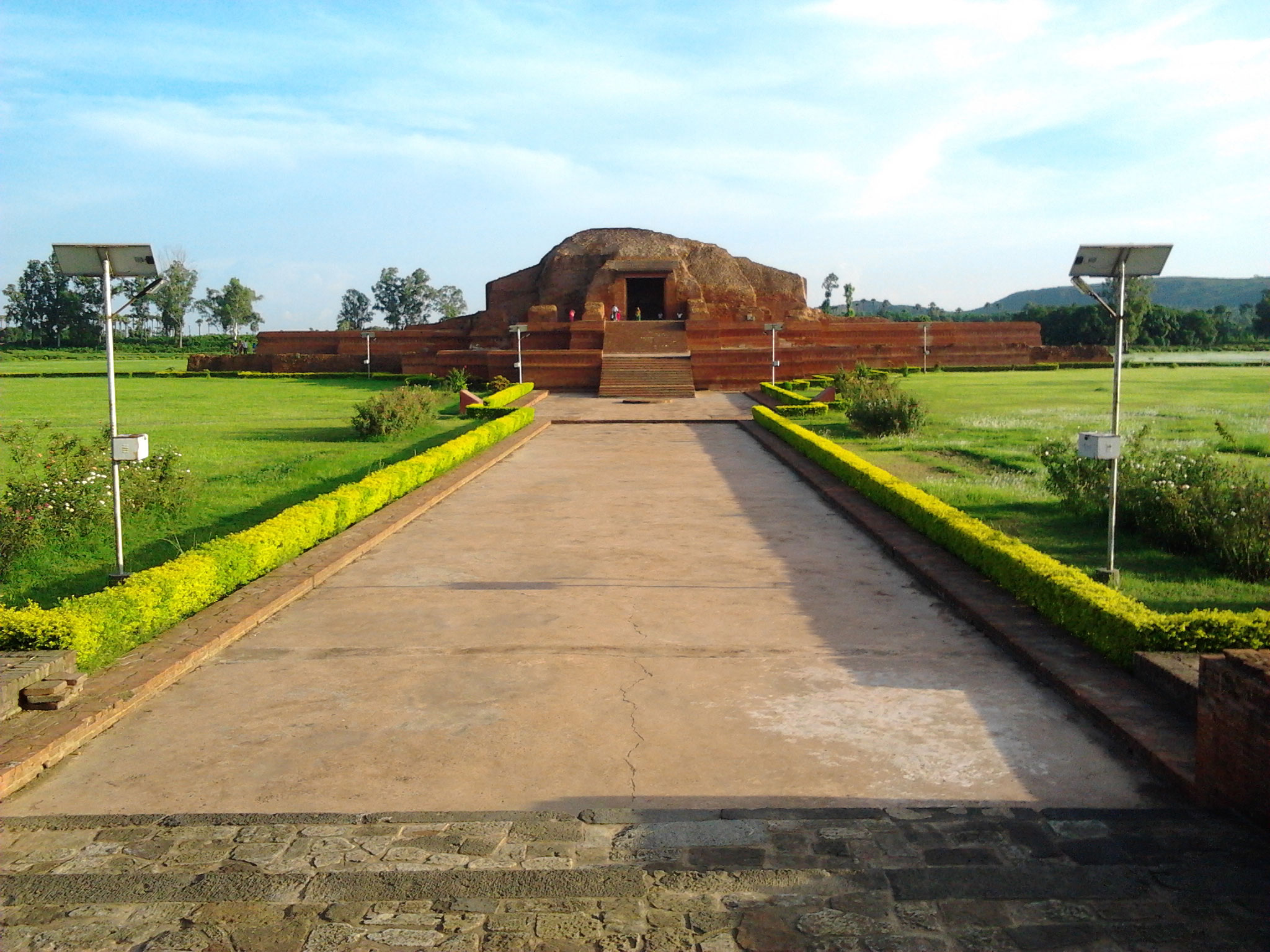
Vikramshila, nestled in the Bhagalpur district of Bihar, stands as a poignant reminder of India's intellectual zenith during the Pala Empire. Once a thriving Buddhist Mahavihara (great monastery-university complex), it rivaled Nalanda in terms of academic rigor and spiritual significance. Founded by Emperor Dharmapala in the late 8th or early 9th century, Vikramshila became a prominent center for advanced learning in Tantric Buddhism, philosophy, logic, grammar, and art. Its grandeur is still evident in the sprawling ruins, including a massive stupa, votive stupas, a library, and monastic cells, all testifying to a rich cultural and educational legacy. The site offers a serene and contemplative atmosphere, allowing visitors to step back in time and imagine the vibrant academic life that once pulsed through these ancient halls. It's a place where history, spirituality, and architectural brilliance converge, offering a unique glimpse into India's ancient past.
History
The history of Vikramshila is deeply intertwined with the Pala dynasty, specifically Emperor Dharmapala, who established this grand monastery between the late 8th and early 9th centuries. Its primary purpose was to strengthen Buddhist learning and counter the decline of Buddhism in India. Over its 400-year existence, Vikramshila produced numerous renowned scholars and academicians, including Atisha Dipankara, a pivotal figure who played a significant role in the spread of Buddhism to Tibet. The university specialized in Tantric Buddhism (Vajrayana), logic, philosophy, and grammar, attracting students and teachers from across Asia. Its decline began with the invasion of Bakhtiyar Khilji in the late 12th or early 13th century, a period that saw the destruction of many Buddhist institutions in northern India. Archaeological excavations conducted by the Archaeological Survey of India (ASI) since 1960 have unearthed the extensive remains, revealing the layout of the main stupa, monastic complexes, and various artifacts, bringing to light the splendor of this ancient seat of learning.
Highlights
- Explore the massive central stupa, a replica of which is believed to have been built in Tibet.
- Discover the ruins of monastic cells, once home to hundreds of monks and scholars.
- Visit the on-site Vikramshila Museum to see unearthed artifacts and sculptures.
- Admire the intricate carvings and terracotta plaques displaying Buddhist deities.
- Walk through the ancient courtyards, imagining the academic discussions of old.
- Observe the votive stupas, offerings made by devotees and students.
- Experience the serene and contemplative atmosphere of this ancient learning center.
- Learn about the life and teachings of Atisha Dipankara, a prominent scholar from Vikramshila.
Visitor Information
Plan your visit to Vikramshila.
Discover the heritage and culture of India.