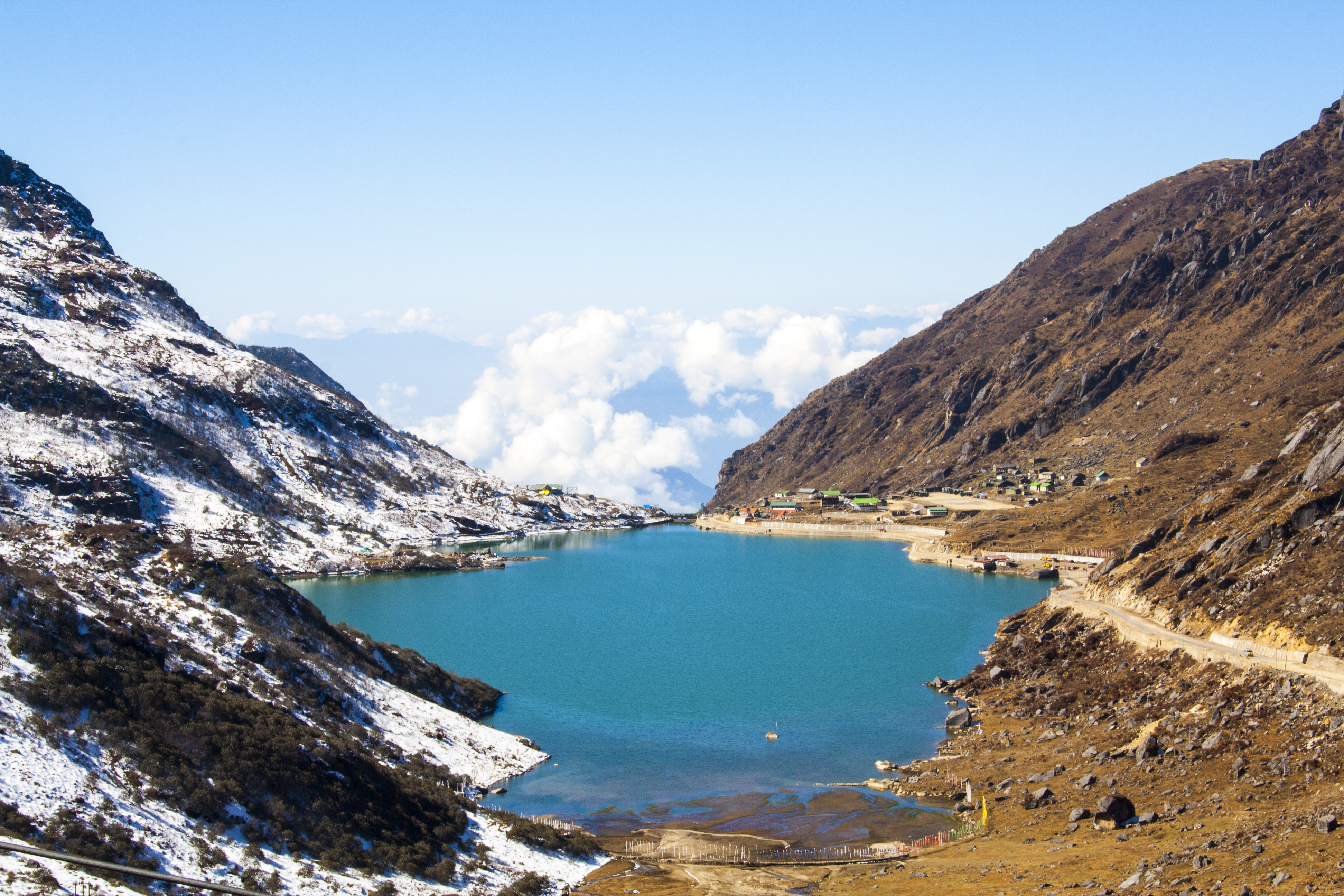
Tsomgo Lake
LakeTsomgo Lake, also known as Changu Lake, is a glacial lake nestled at an altitude of 12,313 feet in the East Sikkim district of India. This oval-shaped lake, roughly 1 km long and 50 feet deep, is an ethereal sight, especially during winter when its surface freezes over and is surrounded by snow-capped mountains.
About Tsomgo Lake
Tsomgo Lake, also known as Changu Lake, is a glacial lake nestled at an altitude of 12,313 feet in the East Sikkim district of India. This oval-shaped lake, roughly 1 km long and 50 feet deep, is an ethereal sight, especially during winter when its surface freezes over and is surrounded by snow-capped mountains. The lake's name 'Tsomgo' literally means 'source of water' in the Bhutia language, and it is considered sacred by the local Sikkimese people. The pristine waters beautifully reflect the surrounding peaks and changing skyscapes, creating a truly mesmerizing landscape. Visitors can enjoy yak rides, explore the vibrant local flora and fauna, or simply soak in the tranquility and breathtaking natural beauty of this Himalayan gem. A small temple dedicated to Lord Shiva is also present on its bank, adding to its spiritual significance. Due to its high altitude, the weather can be unpredictable, adding to its mystique.
History
The history of Tsomgo Lake is deeply intertwined with the spiritual and cultural heritage of Sikkim. For centuries, the lake has been revered by the local Sikkimese people, particularly the Buddhist monks and faith healers (Jhakris). It is believed that the color of the lake's water changes throughout the year, an indication that the lamas (Buddhist priests) would study to foretell the future. The lake is also associated with folklore and legends, being considered a sacred dwelling place for spirits. While there isn't a detailed political or dynastic history specifically about the lake's formation, its significance in local traditions has been passed down through generations. In more recent times, its strategic location near the Nathu La Pass has led to increased accessibility for tourists, but its sacred status remains paramount. The infrastructure around the lake, including the viewpoints and small stalls, has developed over time to accommodate visitors, but efforts are consistently made to preserve its natural and spiritual sanctity.
Highlights
- Yak rides around the lake
- Photographing the stunning glacial lake and surrounding mountains
- Visiting the Baba Harbhajan Singh Mandir en route or nearby
- Experiencing snowfall during winter months
- Enjoying hot snacks and local tea from lakeside stalls
- Spotting local flora like rhododendrons (seasonal)
- Witnessing the changing colors of the lake throughout the year
- Trekking short distances around designated areas
- Soaking in the serene and spiritual ambiance
- Observing migratory birds during specific seasons
Visitor Information
Plan your visit to Tsomgo Lake.
Discover the heritage and culture of India.