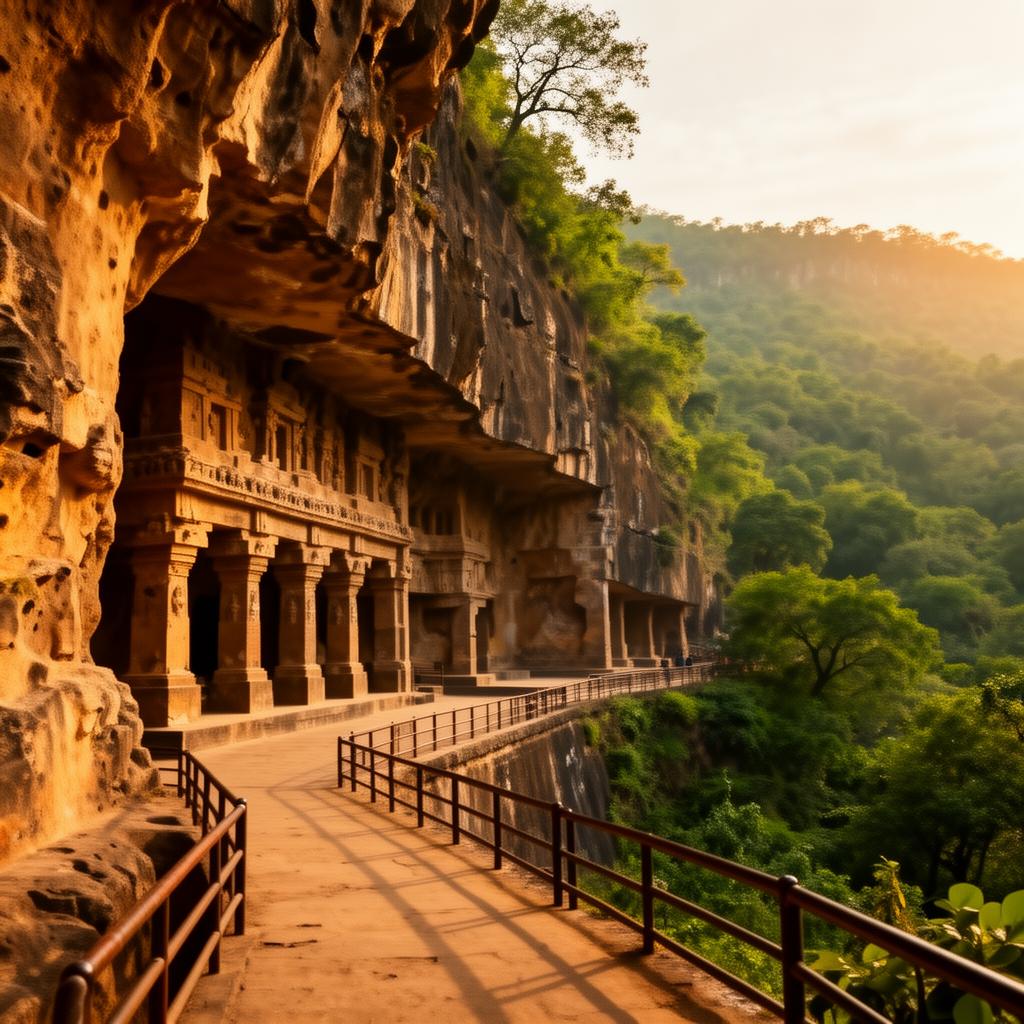
Pune Aga Khan Palace
HeritageThe Aga Khan Palace, a magnificent edifice nestled in Pune, Maharashtra, is a poignant symbol of India's freedom struggle and a testament to architectural grandeur. Built in 1892 by Sultan Muhammed Shah Aga Khan III, this sprawling palace gained historical prominence for being the place where Mahatma Gandhi, his wife Kasturba Gandhi, and his secretary Mahadev Desai were incarcerated during the Quit India Movement from 1942 to 1944.
About Pune Aga Khan Palace
The Aga Khan Palace, a magnificent edifice nestled in Pune, Maharashtra, is a poignant symbol of India's freedom struggle and a testament to architectural grandeur. Built in 1892 by Sultan Muhammed Shah Aga Khan III, this sprawling palace gained historical prominence for being the place where Mahatma Gandhi, his wife Kasturba Gandhi, and his secretary Mahadev Desai were incarcerated during the Quit India Movement from 1942 to 1944. Its serene courtyards, lush gardens, and Italianate arches offer a tranquil escape from the urban bustle. Beyond its beauty, the palace serves as a living museum, preserving personal effects and photographs of the Mahatma, echoing stories of sacrifice and resilience. The palace is an emotional journey into one of the most critical phases of Indian history, allowing visitors to connect with the spirit of the nation's independence movement. It’s a place of quiet reflection, dedicated to memory and peace, inspiring visitors with its profound historical significance.
History
Constructed in 1892 by Sultan Muhammed Shah Aga Khan III, the Aga Khan Palace was initially conceived as a gesture of charity to the famine-stricken people of the region, providing employment during a period of distress. However, its most significant historical chapter unfolded much later, during the tumultuous years of India's struggle for independence. In August 1942, following the launch of the Quit India Movement, the British government imprisoned Mahatma Gandhi, his wife Kasturbai Gandhi, and his secretary Mahadev Desai, along with Sarojini Naidu, in this very palace. It was here that Mahadev Desai and Kasturbai Gandhi breathed their last, and their samadhis (memorials) are located within the palace grounds, adding to its solemnity and historical weight. The palace served as a significant site for the non-violent resistance movement, becoming a symbol of political imprisonment and the personal sacrifices made for a free India. Today, it stands as a national monument, managed by the Gandhi National Memorial Society, serving as a powerful reminder of sacrifices made for India’s sovereignty.
Highlights
- Explore the serene courtyards and Italianate architecture.
- Visit the study room where Mahatma Gandhi lived during his incarceration.
- See the samadhis of Kasturba Gandhi and Mahadev Desai.
- View personal belongings and photographs of Mahatma Gandhi.
- Walk through the lush, well-maintained gardens.
- Learn about the Quit India Movement and its significance.
- Observe the spinning wheel (Charkha) used by Gandhi.
- Visit the museum showcasing artifacts from the independence era.
Visitor Information
Plan your visit to Pune Aga Khan Palace.
Discover the heritage and culture of India.