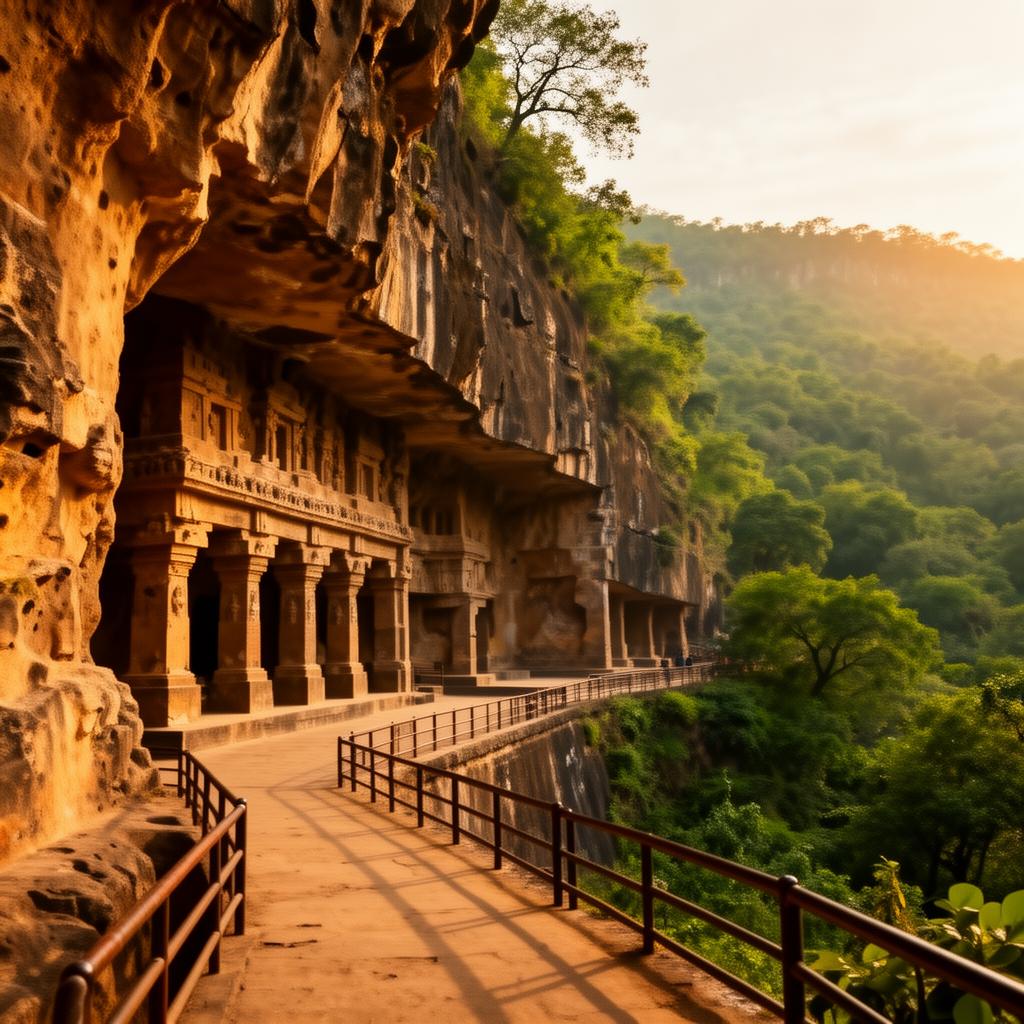
Pilak
HeritagePilak, nestled in the southern part of Tripura, is an archaeological treasure trove, often referred to as the 'Archaeological Site of Pilak'. This ancient site boasts a rich collection of Buddhist and Hindu sculptures, pottery, and terracotta plaques dating back to the 8th to 12th centuries.
About Pilak
Pilak, nestled in the southern part of Tripura, is an archaeological treasure trove, often referred to as the 'Archaeological Site of Pilak'. This ancient site boasts a rich collection of Buddhist and Hindu sculptures, pottery, and terracotta plaques dating back to the 8th to 12th centuries. Spread across a picturesque landscape, the unearthed artifacts provide a fascinating glimpse into the cultural and religious syncretism that once thrived in this region. Visitors can explore the remnants of stupas, images of Avolokiteshwar and Surya, and numerous Buddhist and Hindu deities, all meticulously carved with intricate details. The tranquil surroundings, coupled with the profound historical significance, make Pilak a compelling destination for history buffs, archaeologists, and anyone seeking to connect with India's ancient past.
History
The history of Pilak is deeply intertwined with the ancient civilizations that flourished in the region of Bengal-Tripura during the early medieval period. Archaeological excavations at Pilak have unearthed evidence of settlements and religious centers dating primarily from the 8th to the 12th centuries AD. It served as a significant center for both Buddhist and Hindu cultures, indicating a period of harmonious coexistence and exchange between these traditions. The art and architecture found at Pilak reflect the distinct styles prevalent in the Pala-Sena period of Bengal, with strong influences from both Buddhist Vajrayana iconography and Hindu Tantric traditions. Notable discoveries include colossal images of Avalokiteshvara, a Buddhist Bodhisattva, and Surya, the Hindu sun god, along with a plethora of terracotta plaques depicting various deities, animals, and everyday life scenes. The decline of Pilak as a prominent center is attributed to various factors, including later political shifts and the eventual decline of Buddhism in the region, leaving behind a fascinating legacy for future generations to uncover and appreciate.
Highlights
- Explore ancient Buddhist and Hindu sculptures.
- Discover terracotta plaques and pottery.
- Visit the remnants of stupas.
- Observe colossal images of Avalokiteshvara and Surya.
- Enjoy the serene archaeological landscape.
- Learn about the cultural syncretism of the 8th-12th centuries.
- Capture photographs of historical artifacts.
- Experience a unique blend of religious art.
Visitor Information
Plan your visit to Pilak.
Discover the heritage and culture of India.