Pelling
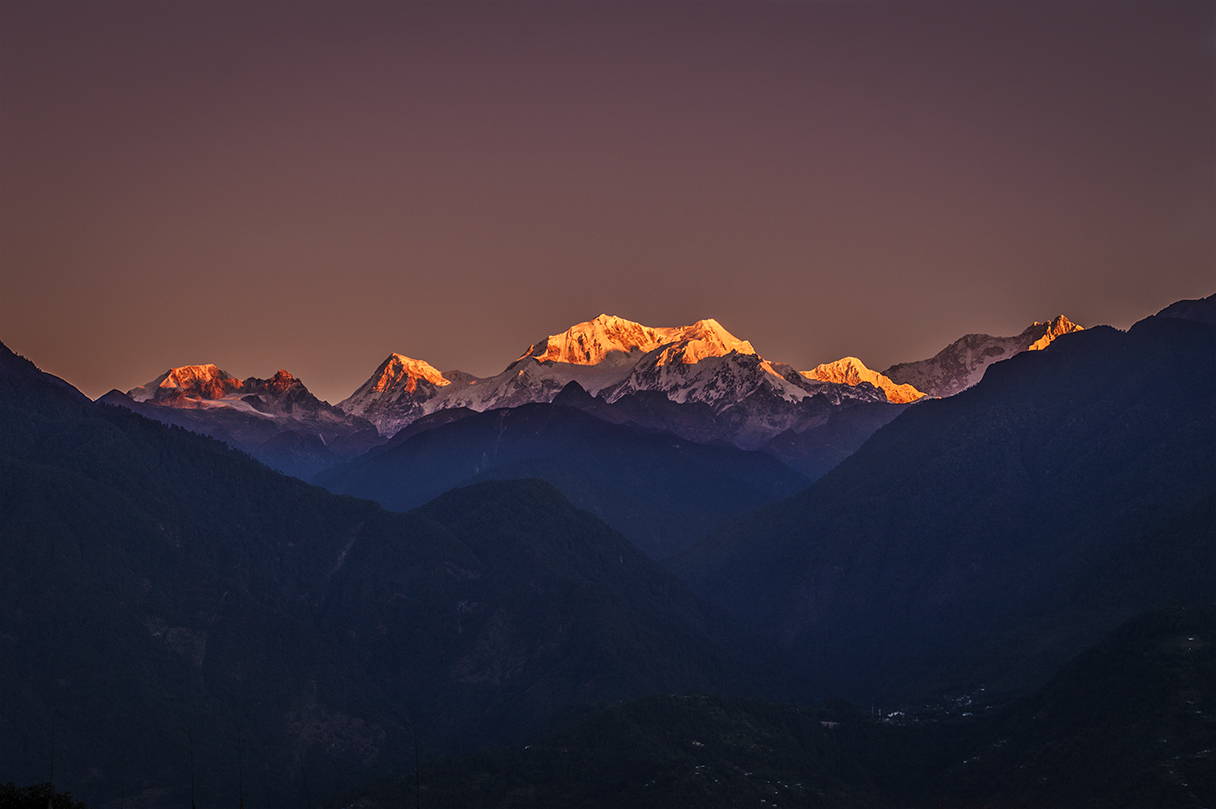
Hill StationPelling, nestled in the Western part of Sikkim, is a serene and picturesque hill station renowned for its breathtaking views of the Kanchenjunga, the world's third highest mountain. Once a small village, it has rapidly grown into a popular tourist destination, offering a tranquil escape amidst lush greenery and towering peaks.
About Pelling
Pelling, nestled in the Western part of Sikkim, is a serene and picturesque hill station renowned for its breathtaking views of the Kanchenjunga, the world's third highest mountain. Once a small village, it has rapidly grown into a popular tourist destination, offering a tranquil escape amidst lush greenery and towering peaks. The town serves as a base for exploring numerous monasteries, waterfalls, and ancient ruins, providing a blend of natural beauty and cultural richness. Visitors can indulge in adventurous treks, explore historical sites, or simply relax and soak in the panoramic vistas. The crisp mountain air, the hospitality of the local Lhopo people, and the vibrant Buddhist culture make Pelling a truly enchanting experience for all types of travelers seeking solace and adventure in the Himalayas.
History
Pelling's history is deeply intertwined with the ancient Kingdom of Sikkim. While Pelling itself was not a major historical capital, its proximity to Yuksom, the first capital of Sikkim, gives it significant historical relevance. The region was traditionally inhabited by the Lhopo community (Bhutias who migrated from Tibet). The Pemayangtse Monastery, located just a few kilometers from Pelling, dates back to 1705 and was founded by Lhatsun Chempo, one of the three lamas who enthroned the first Chogyal (King) of Sikkim at Yuksom. This monastery played a crucial role in the religious and political life of the kingdom. The ruins of Rabdentse, the second capital of Sikkim from 1670 to 1814, are another testament to the area's rich past, offering a glimpse into the imperial era. Over time, Pelling developed from a secluded village into a strategic viewpoint for appreciating the majestic Kanchenjunga, gradually transforming into the tourist hub it is today, preserving its historical and cultural heritage amidst modernization.
Highlights
- Panoramic views of Kanchenjunga from various viewpoints
- Visit to Pemayangtse Monastery, one of Sikkim's oldest and most significant monasteries
- Exploring the historical ruins of Rabdentse Palace, the second capital of Sikkim
- Experiencing the sacred Khecheopalri Lake, also known as the 'wish-fulfilling lake'
- Trekking to Singshore Bridge, the second highest suspension bridge in Asia
- Enjoying the tranquil Kanchenjunga Falls and Rimbi Waterfalls
- Discovering the local flora and fauna at Kanchenjunga National Park (entry permit required)
- Visiting the Sangachoeling Monastery, offering stunning vistas
- Sampling traditional Sikkimese cuisine
- Taking a scenic walk through the pristine surroundings
Visitor Information
Plan your visit to Pelling.
Discover the heritage and culture of India.