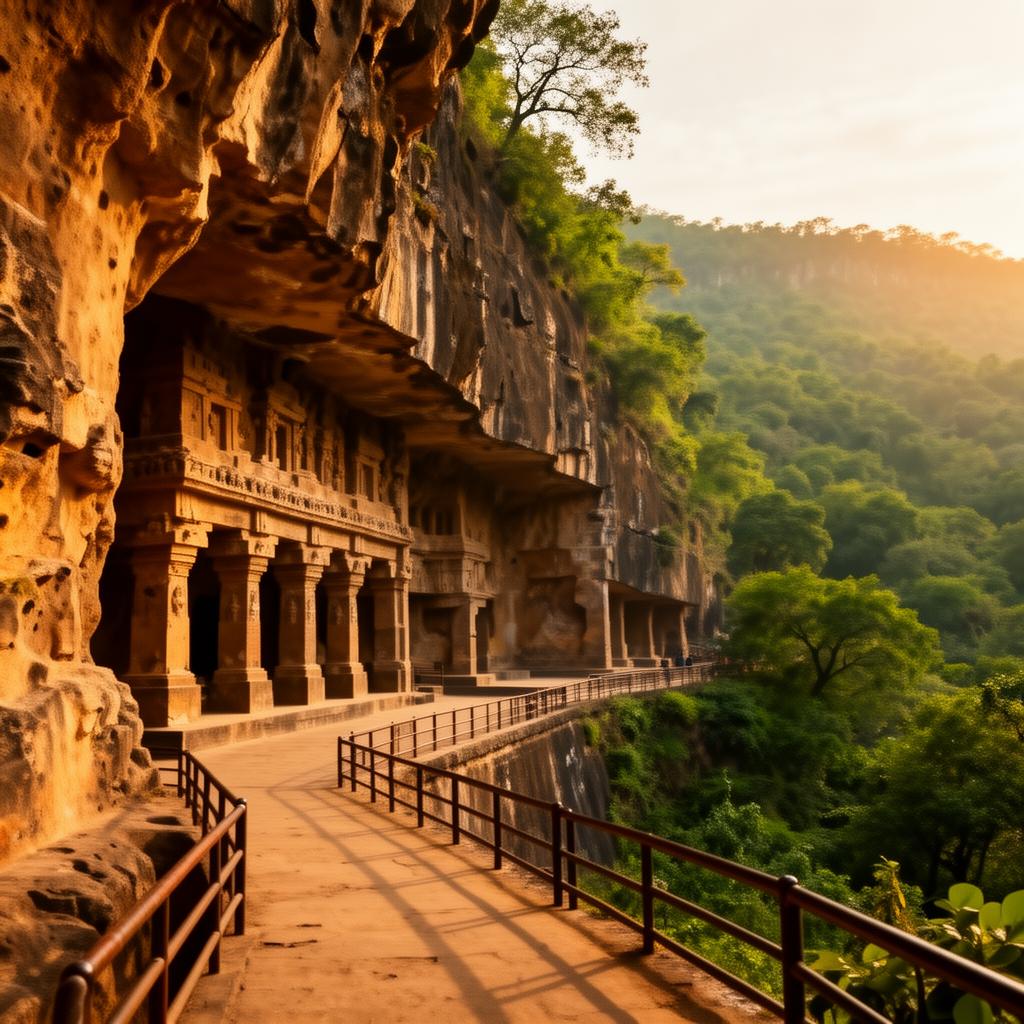
Patiala Qila Mubarak
FortPatiala's Qila Mubarak, a magnificent fortress complex, stands as a testament to the city's rich history and the grandeur of the erstwhile Patiala State. Constructed by Baba Ala Singh in 1764, this sprawling fort served as the principal residence and administrative hub for the Patiala royal family for centuries.
About Patiala Qila Mubarak
Patiala's Qila Mubarak, a magnificent fortress complex, stands as a testament to the city's rich history and the grandeur of the erstwhile Patiala State. Constructed by Baba Ala Singh in 1764, this sprawling fort served as the principal residence and administrative hub for the Patiala royal family for centuries. The complex is a fascinating blend of Mughal and Rajput architectural styles, showcasing intricate frescoes, stunning mirror work, and well-preserved courtyards. Within its formidable walls, Qila Mubarak houses several distinct structures: the Qila Androon (inner fort), Darbar Hall (oldest part of the fort), and a network of grand palaces. Visitors can explore the Sheesh Mahal (Palace of Mirrors), Rang Mahal (Painted Palace), and various other chambers that whisper tales of royal opulence and strategic importance. The fort's unique character and historical significance make it a must-visit destination for anyone interested in Punjab's regal past.
History
The foundation of Qila Mubarak was laid by Maharaja Ala Singh, the founder of the Patiala state, in 1764, solidifying the city's strategic importance. Initially, it was a modest mud fort, but subsequent rulers, particularly Maharaja Sahib Singh, Maharaja Karam Singh, and Maharaja Bhupinder Singh, significantly expanded and embellished the complex over the centuries. The fort served as the primary residence of the Patiala Maharajas and the administrative center of their kingdom. It witnessed numerous historical events, including political intrigue, military campaigns, and periods of cultural flourishing. The Darbar Hall, one of the oldest parts of the fort, predates the main Qila Androon and was a crucial location for royal assemblies and state affairs. Over time, the fort's architecture evolved, incorporating elements of Mughal, Rajput, and even European influences, reflecting the changing tastes and power dynamics of the era. The Sheesh Mahal, with its dazzling mirror work, was added much later, showcasing the artistic inclinations of the later Maharajas. The complex is a living chronicle of the Patiala dynasty's rise and reign.
Highlights
- Explore the impressive Qila Androon (Inner Fort)
- Admire the intricate mirror work of Sheesh Mahal
- Discover the historical Darbar Hall
- Wander through the various palaces like Rang Mahal
- Appreciate the blend of Mughal and Rajput architecture
- Learn about the Patiala royal family's history
- Take photographs of the grand fort complex
Visitor Information
Plan your visit to Patiala Qila Mubarak.
Discover the heritage and culture of India.