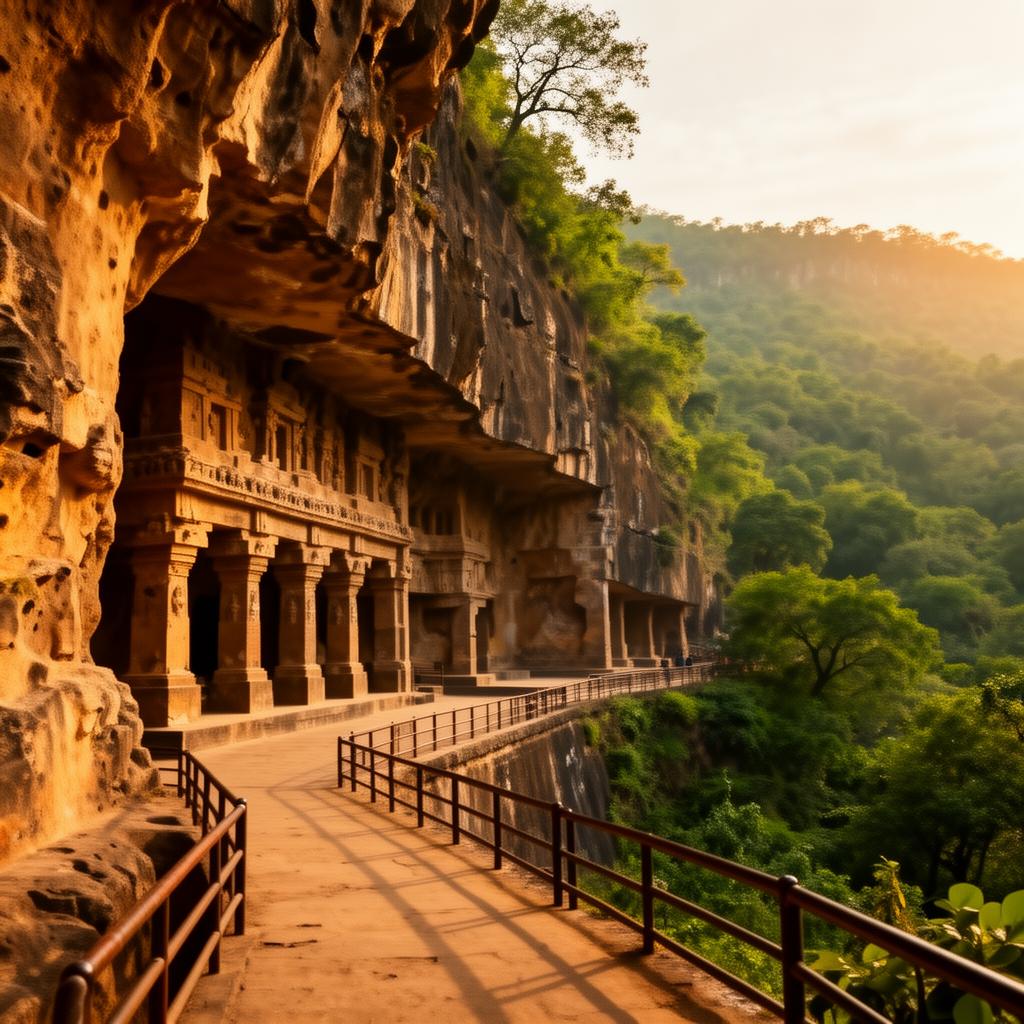
Nartiang Monoliths
HeritageThe Nartiang Monoliths, located in the Jaintia Hills district of Meghalaya, represent one of the most remarkable collections of megalithic structures in India. This ancient site, often referred to as the 'Stonehenge of the East,' is a testament to the rich cultural heritage and advanced engineering skills of the ancient Jaintia kingdom.
About Nartiang Monoliths
The Nartiang Monoliths, located in the Jaintia Hills district of Meghalaya, represent one of the most remarkable collections of megalithic structures in India. This ancient site, often referred to as the 'Stonehenge of the East,' is a testament to the rich cultural heritage and advanced engineering skills of the ancient Jaintia kingdom. The field is dotted with numerous standing stones (menhirs) and flat altar-like stones (dolmens) of various sizes, some towering over 20 feet in height. These monoliths were erected to commemorate significant events, victories, and the reigns of Jaintia kings and their ministers. The sheer scale and number of these stones, transported and erected without modern machinery, evoke a sense of awe and wonder, offering a fascinating glimpse into the rituals and social structures of a bygone era. It's a place where history whispers through the ancient stones, inviting visitors to ponder the mysteries of the past.
History
The Nartiang Monoliths trace their origins back several centuries, with the earliest structures believed to have been erected around the 16th century. The site's development is closely linked to the powerful Jaintia kingdom, which once held sway over parts of present-day Meghalaya and Assam. According to local legends and historical accounts, the tallest monolith, named 'Moo Kynthoo,' was erected by U Mar Phalyngki, a legendary warrior and minister to the Jaintia King, to commemorate a great victory in battle. Other monoliths were set up by various Jaintia kings, including the famous Mar Phalyngki and his clan, to mark the ascension of new rulers, celebrate successful harvests, or as memorial stones for important community members. The erection of these massive stones was a community effort, showcasing the intricate social organization and engineering prowess of the Jaintia people. The oral traditions passed down through generations highlight the spiritual significance of these stones as places of worship and communal gatherings, making Nartiang a crucial historical and cultural landmark.
Highlights
- Marvel at the tallest monolith, 'Moo Kynthoo,' erected by U Mar Phalyngki.
- Explore the vast field of ancient standing stones (menhirs) and flat dolmens.
- Learn about the historical significance and legends behind each stone.
- Witness the impressive engineering feats of the ancient Jaintia kingdom.
- Capture stunning photographs of this unique historical site.
- Experience the serene and mystical atmosphere of the megalithic garden.
- Understand the cultural and spiritual practices of the Jaintia people.
- Visit the nearby Nartiang Durga Temple, known for its distinct architecture.
Visitor Information
Plan your visit to Nartiang Monoliths.
Discover the heritage and culture of India.