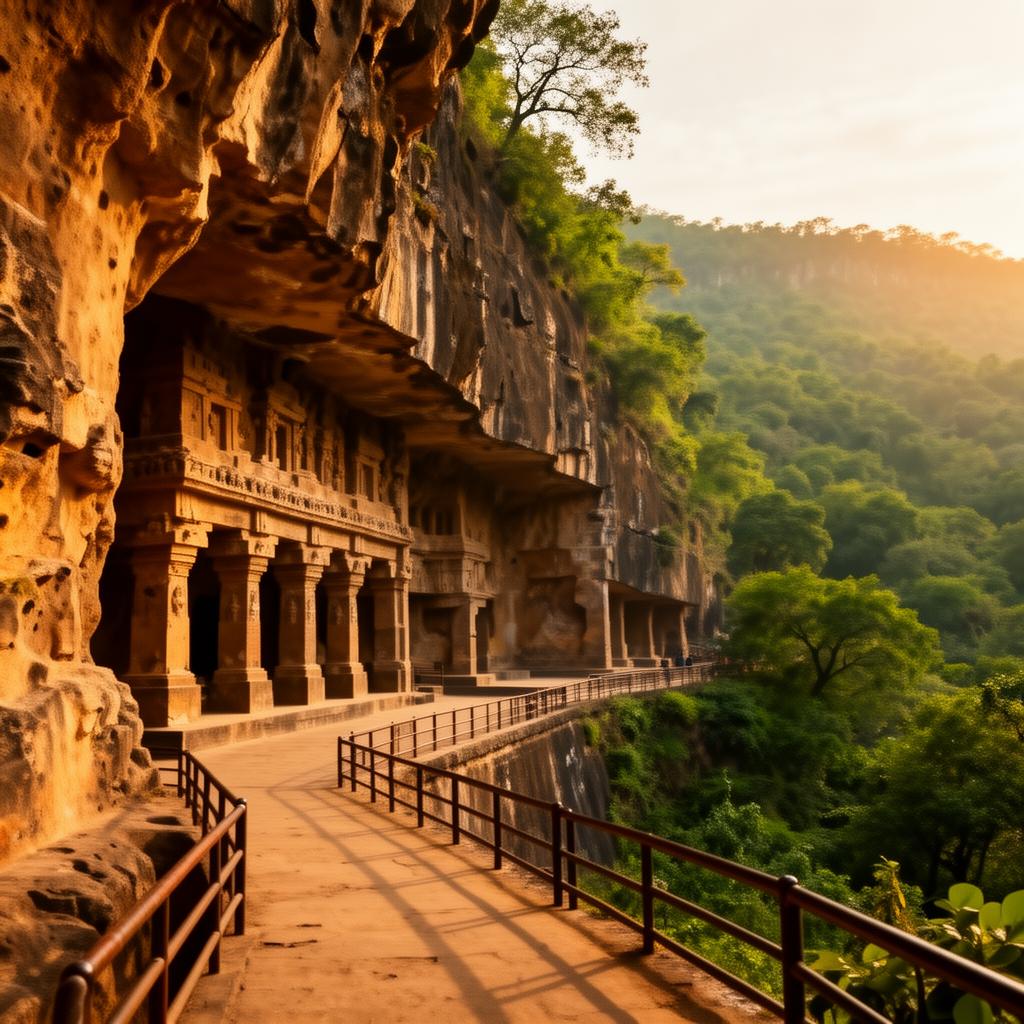
Nalanda Ruins
HeritageNalanda Ruins, a UNESCO World Heritage site, represents the archaeological remains of a once-flourishing Mahavihara, a large Buddhist monastery and educational institution in the ancient kingdom of Magadha. It was one of the world's first great universities, attracting scholars and students from across Asia, including China, Korea, Japan, Tibet, and Indonesia.
About Nalanda Ruins
Nalanda Ruins, a UNESCO World Heritage site, represents the archaeological remains of a once-flourishing Mahavihara, a large Buddhist monastery and educational institution in the ancient kingdom of Magadha. It was one of the world's first great universities, attracting scholars and students from across Asia, including China, Korea, Japan, Tibet, and Indonesia. The sprawling complex showcases brick structures, stupas, viharas (monasteries), classrooms, and living quarters that were once vibrant centers of learning. Visitors can marvel at the intricate carvings, the sheer scale of the institution, and imagine the intellectual pursuits that took place within its walls. The site provides a profound insight into ancient Indian knowledge systems, particularly in Buddhist philosophy, medicine, mathematics, and astronomy, making it a compelling destination for history buffs and spiritual seekers alike.
History
Founded in the 5th century CE, Nalanda flourished under the patronage of the Gupta dynasty and later emperors like Harsha. It became a renowned center of learning for over 700 years, housing thousands of scholars and students. Its curriculum spanned various subjects, including the Vedas, Buddhist scriptures, philosophy, logic, astronomy, mathematics, medicine, and arts. The university was a melting pot of ideas, fostering intellectual discourse and contributing significantly to the development of Buddhism. Tragically, Nalanda was sacked and destroyed by Muslim invaders led by Bakhtiyar Khilji in the late 12th century CE, leading to the demise of this intellectual giant. The burning of its vast library, a repository of immense knowledge, is considered one of the greatest losses in intellectual history. Excavations in the early 20th century unearthed the extensive ruins, bringing to light the grandeur and historical significance of this ancient university.
Highlights
- Explore the meticulously excavated ruins of the ancient university.
- Visit the Great Stupa, a towering structure marking a significant spot.
- Discover the various Viharas (monasteries) where monks lived and studied.
- Witness the intricate carvings and sculptures that adorn the bricks.
- Imagine the ancient classrooms and meditation halls.
- Visit the Nalanda Archaeological Museum for artifacts found at the site.
- Learn about the intellectual legacy of this historic seat of learning.
- Enjoy the tranquil atmosphere of the sprawling heritage site.
Visitor Information
Plan your visit to Nalanda Ruins.
Discover the heritage and culture of India.