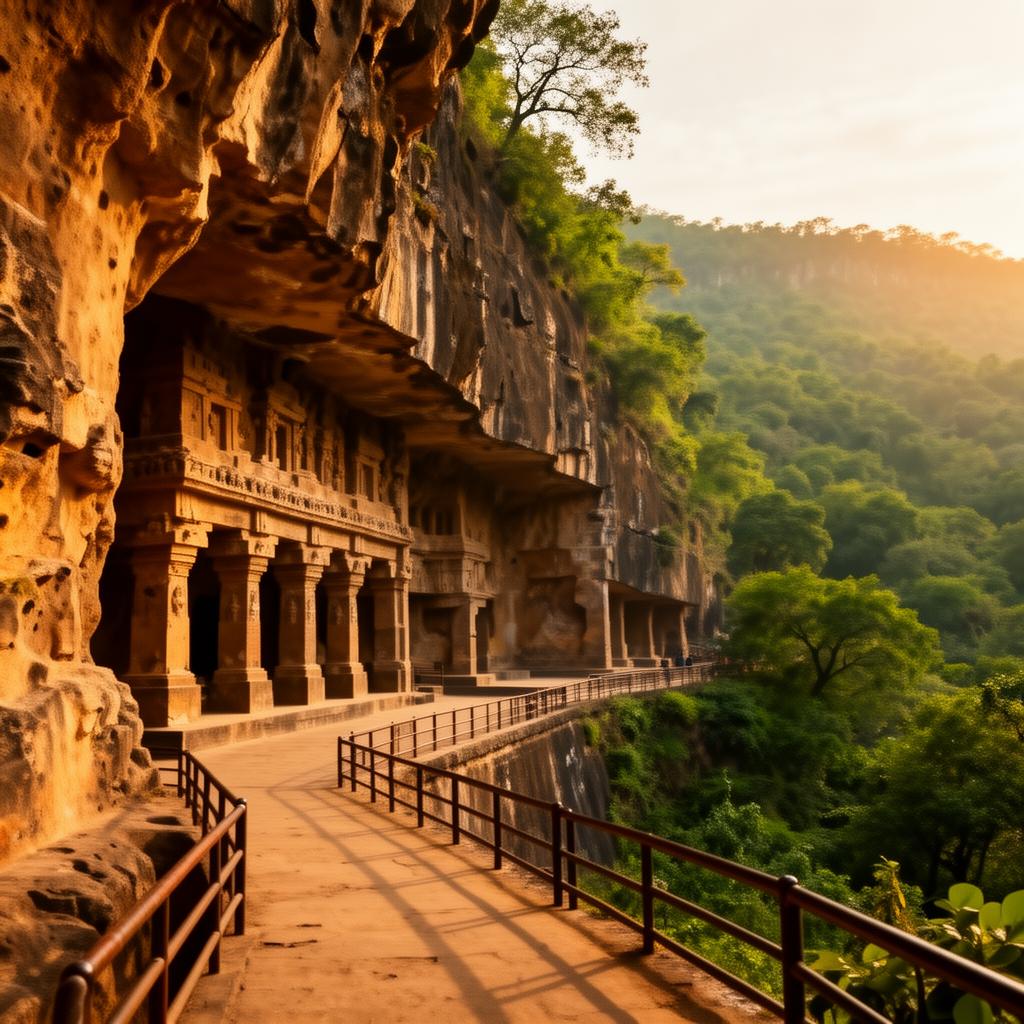
Mawsynram
Hill StationMawsynram, nestled in the East Khasi Hills of Meghalaya, India, holds the remarkable distinction of being one of the wettest places on Earth. This charming village is characterized by its lush green landscapes, dense forests, and countless waterfalls that come alive during the monsoon season, creating a truly spectacular sight.
About Mawsynram
Mawsynram, nestled in the East Khasi Hills of Meghalaya, India, holds the remarkable distinction of being one of the wettest places on Earth. This charming village is characterized by its lush green landscapes, dense forests, and countless waterfalls that come alive during the monsoon season, creating a truly spectacular sight. The heavy rainfall contributes to a unique biodiversity, featuring rare orchids, pitcher plants, and other exotic flora. Beyond its meteorological fame, Mawsynram offers a tranquil escape from urban life, with its serene environment and the rhythmic sound of rain often accompanying your visit. The local Khasi culture is vibrant here, with traditional houses, local markets, and warm hospitality adding to the authentic Indian experience. Exploring the natural caves formed by the region's limestone deposits is another popular activity. Despite its remote location, Mawsynram's raw, untamed beauty and unparalleled natural phenomena make it a captivating destination for nature lovers and adventurers alike.
History
The history of Mawsynram is intricately tied to its unique geographical and climatic conditions. While there isn't a long documented political or dynastic history specifically about Mawsynram itself, its existence and development are deeply rooted in the Khasi tribal heritage of Meghalaya. The Khasi people have inhabited this region for centuries, developing a distinctive culture, language, and way of life adapted to the heavy monsoon rains. Their traditional farming practices, house construction (often with sloping roofs to shed water), and resource management reflect a profound understanding of their natural environment. The name 'Mawsynram' is believed to be derived from Khasi words, reflecting local legends or geographical features. The global recognition of Mawsynram as the wettest place on Earth is a more recent phenomenon, largely driven by meteorological studies in the 20th century. Before this, it was simply home to the resilient Khasi communities, living in harmony with nature's most abundant element – water. The region's limestone caves, like Mawjymbuin Cave, have also been sites of human activity and spiritual significance for generations, further cementing the area's ancient connection to its land and people.
Highlights
- Wettest place on Earth experience
- Mawjymbuin Cave with its stalagmites and stalactites
- Exploring the surrounding lush green hills and valleys
- Witnessing numerous seasonal waterfalls
- Experiencing local Khasi culture and cuisine
- Panoramic views of the dramatic landscapes
- Living Root Bridges (though closer to Cherrapunji/Nongriat)
- Observation of unique flora and fauna adapted to high rainfall
Visitor Information
Plan your visit to Mawsynram.
Discover the heritage and culture of India.