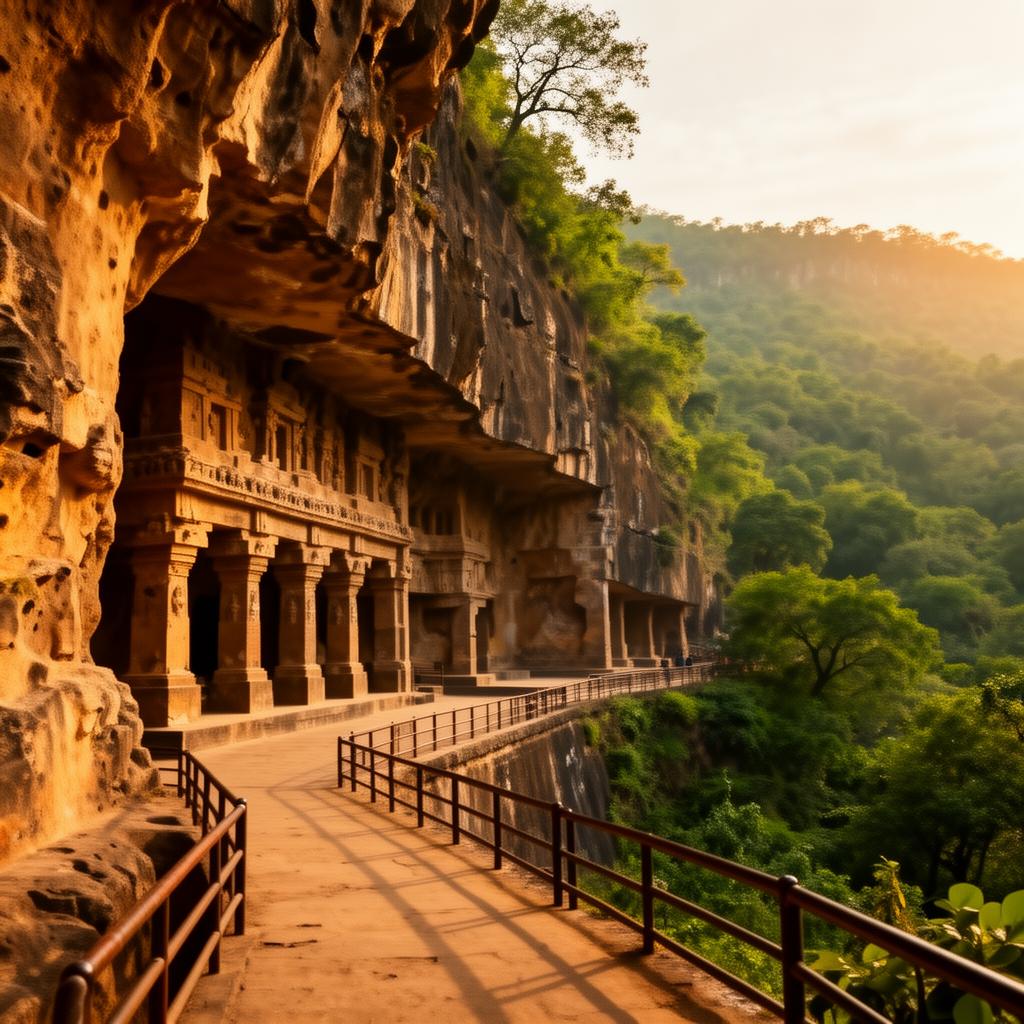
Mandu
HeritageNestled in the Vindhya Range, Mandu, also known as Mandavgarh, is a historic city in Madhya Pradesh, India, renowned for its exquisite Afghan architecture and romantic tales. Surrounded by a 37 km parapet wall with 12 gateways, Mandu is an open-air museum, boasting over 3,000 monuments.
About Mandu
Nestled in the Vindhya Range, Mandu, also known as Mandavgarh, is a historic city in Madhya Pradesh, India, renowned for its exquisite Afghan architecture and romantic tales. Surrounded by a 37 km parapet wall with 12 gateways, Mandu is an open-air museum, boasting over 3,000 monuments. Its charm lies in the beautiful blend of natural beauty and architectural grandeur, offering a glimpse into the opulent lives of its former rulers. From the majestic Jahaz Mahal that appears to float on water to the tragically beautiful Roopmati's Pavilion, every structure narrates a story of love, power, and art. The city's elevation provides stunning panoramic views of the surrounding landscape, especially during the monsoon, when the ancient structures are draped in lush greenery. Mandu offers a serene and culturally enriching experience, perfect for history enthusiasts and those seeking a tranquil escape.
History
Mandu's history dates back to the 6th century, but it truly rose to prominence in the 10th and 11th centuries under the Paramara dynasty. It was originally a fortified city, strategically located on a high plateau. The city's golden age began with the Malwa Sultans in the late 14th century. Dilawar Khan Ghori, the governor of Malwa under Firoz Shah Tughlaq, declared his independence and established the Ghori dynasty, making Mandu his capital. His son and successor, Hoshang Shah, built many of Mandu's famous structures, including the Jami Masjid. The subsequent Khalji dynasty, most notably Mahmud Shah I, further embellished the city. However, Mandu is most famously associated with the love story of Sultan Baz Bahadur and Rani Roopmati in the 16th century. Their tragic romance, often depicted in local folklore and art, adds a poignant layer to the city's historical tapestry. After a period of decline and brief Maratha rule, Mandu eventually fell under British control, leaving behind a legacy of architectural marvels that continue to fascinate visitors.
Highlights
- Jahaz Mahal (Ship Palace)
- Hindola Mahal (Swinging Palace)
- Rani Roopmati's Pavilion
- Baz Bahadur's Palace
- Jami Masjid
- Hoshang Shah's Tomb
- Ashrafi Mahal
- Rewa Kund
- Dilawar Khan's Mosque
- Sunset Point
Visitor Information
Plan your visit to Mandu.
Discover the heritage and culture of India.