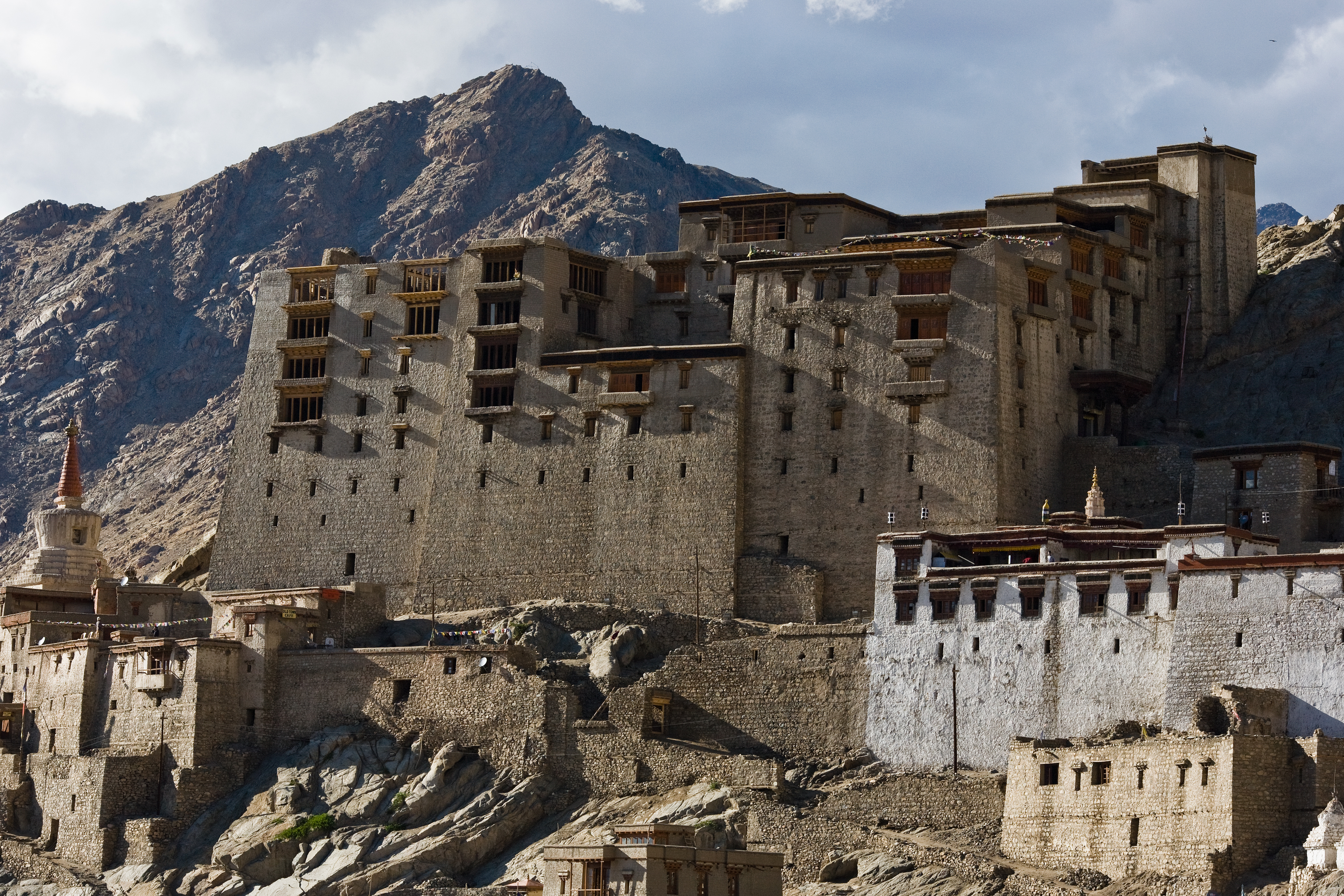
Leh Palace
MonumentLeh Palace, a majestic nine-storey edifice perched on a prominent hill overlooking the vibrant town of Leh, is one of the most iconic historical landmarks in Ladakh. This sprawling structure, built in the 17th century by King Sengge Namgyal, offers breathtaking panoramic views of the entire Leh valley, including the Stok Kangri and Ladakh mountain ranges, and the Indu River.
About Leh Palace
Leh Palace, a majestic nine-storey edifice perched on a prominent hill overlooking the vibrant town of Leh, is one of the most iconic historical landmarks in Ladakh. This sprawling structure, built in the 17th century by King Sengge Namgyal, offers breathtaking panoramic views of the entire Leh valley, including the Stok Kangri and Ladakh mountain ranges, and the Indu River. Its distinctive architecture, reminiscent of the Potala Palace in Lhasa, Tibet, features massive walls and wooden balconies. Though largely in ruins, its grandeur is still palpable, allowing visitors to imagine its past glory. The palace once housed the Namgyal royal family, before they were forced to relinquish it and move to Stok Palace. Exploring its dark corridors, dilapidated rooms, and well-preserved prayer halls offers a unique glimpse into Ladakh's rich royal history and cultural heritage. It's an essential stop for anyone seeking to understand the region's historical significance and admire its dramatic vistas.
History
Leh Palace's construction began in the 17th century, initiated by King Sengge Namgyal, who envisioned a grand residence befitting his royal status and the strategic importance of Leh. The palace, which took several years to complete, mirrored the architectural style of the Potala Palace in Lhasa, Tibet, symbolizing the strong cultural and religious ties between Ladakh and Tibet. It served as the primary residence for the Namgyal dynasty for over a century, a period during which Ladakh flourished politically and economically. However, the palace's fortunes began to decline with the Dogra invasions of the 19th century. In 1834, Zorawar Singh, a general of the Dogra ruler Gulab Singh, conquered Ladakh. The royal family was then forced to abandon Leh Palace and relocate to the smaller and less opulent Stok Palace across the Indus River. Since then, Leh Palace gradually fell into disrepair. Extensive restoration efforts by the Archaeological Survey of India (ASI) have been ongoing, aiming to preserve this magnificent piece of Ladakh's royal heritage for future generations, allowing visitors to witness its enduring legacy.
Highlights
- Panoramic views of Leh town, Stok Kangri, and Ladakh ranges
- Explore the dilapidated royal chambers and prayer halls
- Admire the unique Tibetan-style architecture
- Visit the museum displaying royal artifacts and Thangkar paintings
- Photography opportunities of the surrounding landscape
- Witness the ongoing restoration efforts by ASI
- Imagine the lives of the Namgyal royal family
- Enjoy a serene atmosphere on the palace grounds
Visitor Information
Plan your visit to Leh Palace.
Discover the heritage and culture of India.