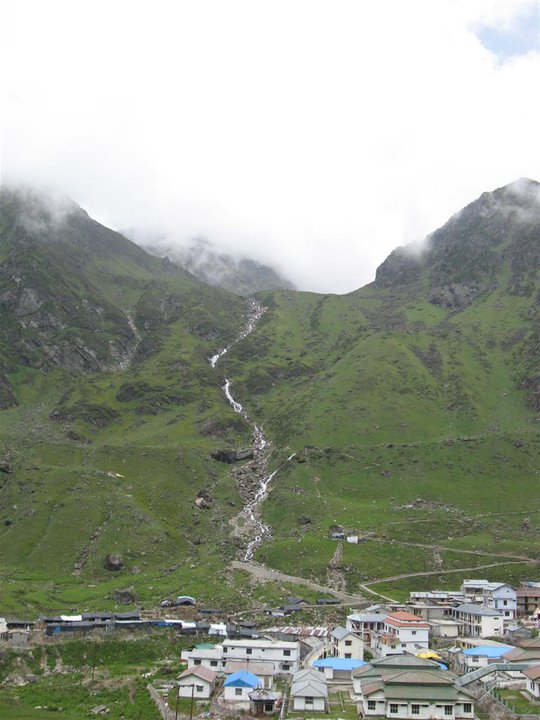
Kedarnath
PilgrimageKedarnath, nestled in the Garhwal Himalayas at an altitude of 3,583 meters (11,755 ft), is one of the holiest Hindu pilgrimage sites and a pivotal part of the Char Dham Yatra. Dedicated to Lord Shiva, the ancient Kedarnath Temple is believed to have been built by the Pandavas and later revived by Adi Shankaracharya in the 8th century AD.
About Kedarnath
Kedarnath, nestled in the Garhwal Himalayas at an altitude of 3,583 meters (11,755 ft), is one of the holiest Hindu pilgrimage sites and a pivotal part of the Char Dham Yatra. Dedicated to Lord Shiva, the ancient Kedarnath Temple is believed to have been built by the Pandavas and later revived by Adi Shankaracharya in the 8th century AD. Surrounded by majestic snow-capped peaks, glaciers, and lush meadows, the natural beauty of Kedarnath is as captivating as its spiritual significance. The journey to Kedarnath is an arduous yet rewarding trek, drawing thousands of devotees seeking spiritual solace and a glimpse of the divine amidst the pristine, awe-inspiring Himalayan landscape. Despite its challenging terrain, the spiritual aura and breathtaking vistas make it an unforgettable experience.
History
The history of Kedarnath is deeply intertwined with Hindu mythology and ancient traditions. Legend has it that the Kedarnath Temple was originally built by the Pandavas after the Mahabharata war to atone for their sins of killing their kin. They sought Lord Shiva's blessings, who, in an attempt to avoid them, took the form of a bull. When pursued, Lord Shiva dived into the ground, leaving his hump exposed at Kedarnath. The remaining parts of his body are worshipped at four other places, collectively known as the Panch Kedar. The current stone temple is believed to have been reconstructed by the great philosopher and saint Adi Shankaracharya in the 8th century AD, solidifying its place as a cornerstone of Hindu devotion. Over centuries, the temple has stood resilient against natural calamities, a testament to its strong construction and spiritual protection. The 2013 floods caused significant damage to the surrounding areas but the main temple structure remarkably survived, further enhancing its mystical reputation.
Highlights
- Offer prayers at the ancient Kedarnath Temple
- Trek through the scenic Himalayan foothills
- Visit Shankaracharya Samadhi, the resting place of Adi Shankaracharya
- Witness the Mandakini River cascading through the valley
- Explore Bhairavnath Temple, dedicated to Lord Bhairav
- Enjoy panoramic views of snow-capped peaks like Kedarnath Dome
- Experience the spiritual energy of the Garhwal Himalayas
- Participate in the evening aarti (prayer ceremony)
- Hike to Chorabari Tal (Gandhi Sarovar) for glacial lake views
Visitor Information
Plan your visit to Kedarnath.
Discover the heritage and culture of India.