Hajo
PilgrimageHajo, a tranquil town nestled on the banks of the Brahmaputra River in Assam, India, is a unique blend of religious harmony and cultural richness. It's renowned as a prominent pilgrimage site for Hindus, Buddhists, and Muslims alike, making it a microcosm of India's diverse spiritual landscape.
About Hajo
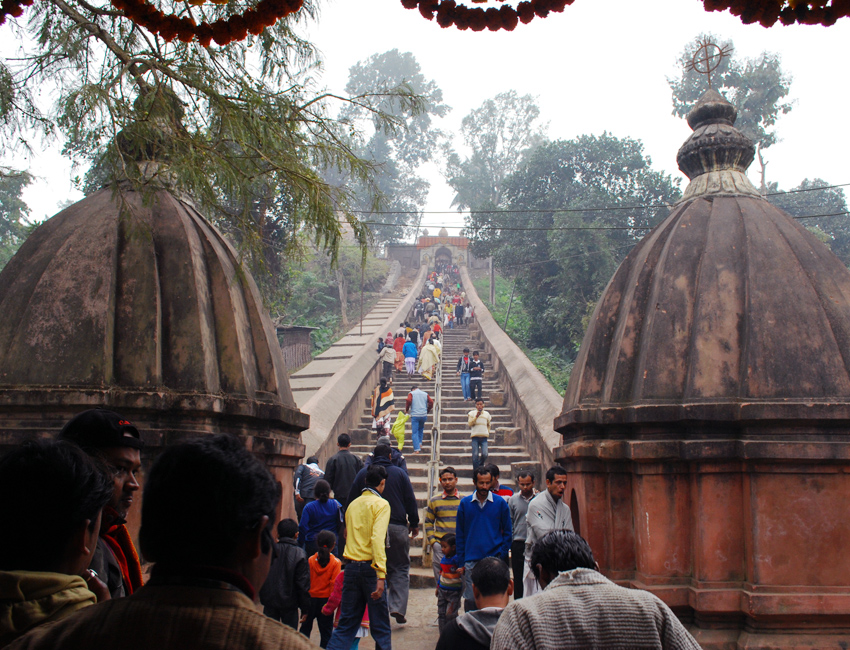
Hajo, a tranquil town nestled on the banks of the Brahmaputra River in Assam, India, is a unique blend of religious harmony and cultural richness. It's renowned as a prominent pilgrimage site for Hindus, Buddhists, and Muslims alike, making it a microcosm of India's diverse spiritual landscape. The town is dotted with ancient temples and mosques, each narrating tales of faith and devotion through their intricate architecture and historical significance. The most prominent among them is the Hayagriva Madhava Temple, a revered Hindu shrine that is also believed to be the spot where the Buddha attained 'Mahaparinirvana' by some sections of Buddhists. For Muslims, Hajo holds importance due to the Poa-Mecca Mosque, which is said to contain the sacred soil brought from Mecca. Beyond its religious importance, Hajo captivates visitors with its serene natural beauty, lush green surroundings, and the peaceful flow of the river. It offers a unique opportunity for introspection and understanding of cross-cultural religious practices, making it a compelling destination for those seeking spiritual solace and historical insight.
History
The history of Hajo is deeply intertwined with the religious and political landscape of ancient and medieval Assam. Its origins are shrouded in antiquity, with archaeological findings suggesting human settlements dating back to several centuries BCE. The most significant historical landmark, the Hayagriva Madhava Temple, is believed to have been constructed during the Pala dynasty in the 6th century, though its current structure largely dates back to the Ahom king Raghudeva Narayan in 1583. Legend has it that Lord Vishnu appeared here in the form of Hayagriva, the horse-headed deity, hence the temple's name. The Buddhist connection of Hajo is equally ancient, with some scholars suggesting that the Hayagriva Madhava Temple was once a Buddhist monastery or that the Buddha visited this site. The Poa-Mecca Mosque, established by Pir Giasuddin Aulia in the 17th century, signifies the advent and integration of Islamic culture into the region. The mosque's name, 'Poa-Mecca' (a quarter of Mecca), reflects the belief that visiting it offers a quarter of the spiritual merit of a pilgrimage to Mecca. Throughout its history, Hajo has been a melting pot of different faiths, successfully fostering an environment of religious tolerance and co-existence, a tradition that continues to this day.
Highlights
- Hayagriva Madhava Temple
- Poa-Mecca Mosque
- Kedareshwar Temple
- Ganesh Temple (Ganesh Pahar)
- Observation of religious harmony
- Brahmaputra River views
- Local Assamese cuisine tasting
- Exploring the ancient town architecture
Visitor Information
Plan your visit to Hajo.
Discover the heritage and culture of India.