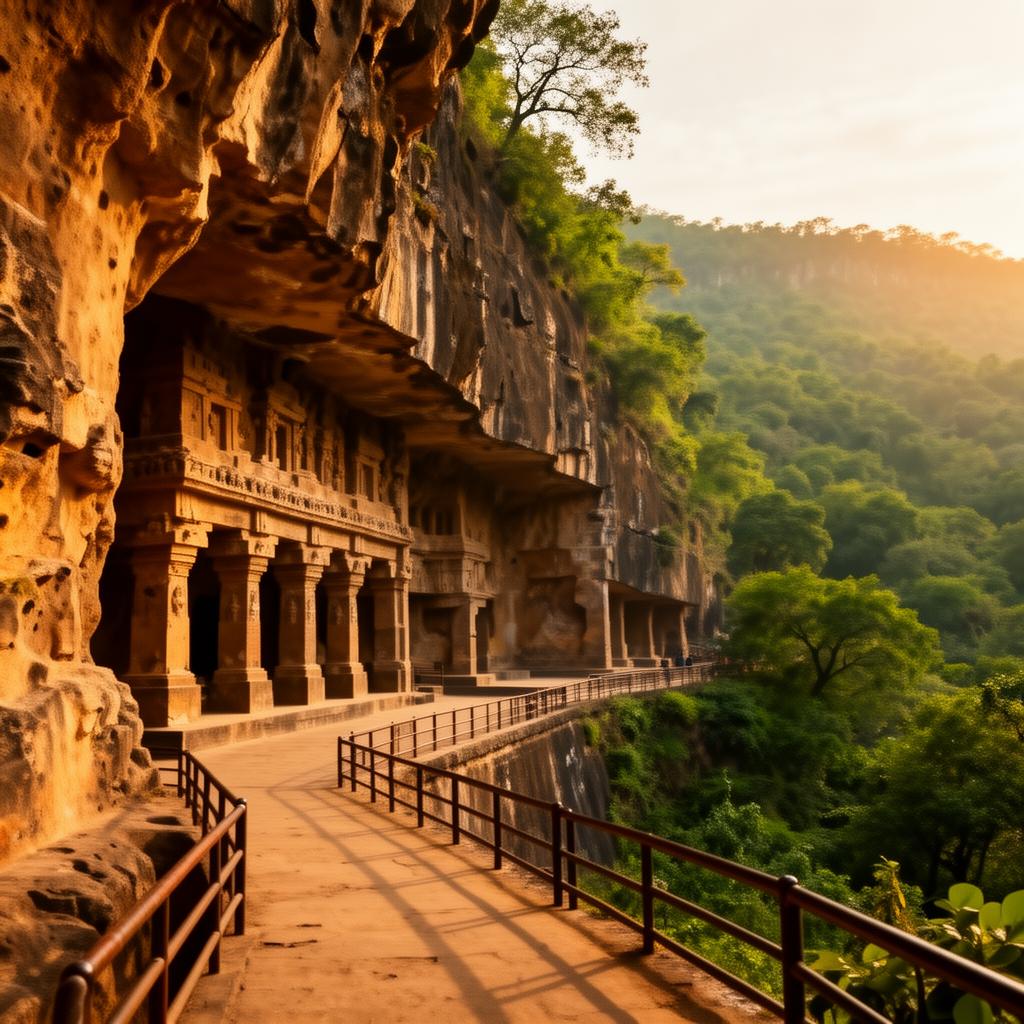
Champaner-Pavagadh
HeritageChampaner-Pavagadh Archaeological Park, a UNESCO World Heritage site, is a magnificent testament to India's rich history and architectural prowess. Nestled amidst the scenic Pavagadh hills in Gujarat, this sprawling site encompasses an extraordinary collection of archaeological, historic, and living cultural heritage properties.
About Champaner-Pavagadh
Champaner-Pavagadh Archaeological Park, a UNESCO World Heritage site, is a magnificent testament to India's rich history and architectural prowess. Nestled amidst the scenic Pavagadh hills in Gujarat, this sprawling site encompasses an extraordinary collection of archaeological, historic, and living cultural heritage properties. It features fortifications, palaces, religious edifices, residential precincts, and agricultural structures, all dating from the 8th to the 16th centuries. The park is particularly renowned for its well-preserved Sultanate-era capital of Champaner, built by Sultan Mahmud Begada. Its unique blend of Hindu and Islamic influences, exemplified in its intricate carvings and structural designs, offers a captivating glimpse into the region's diverse cultural tapestry. Visitors can explore ancient temples, grand mosques, and remnants of a once-thriving city, making it a compelling destination for history enthusiasts and architects alike.
History
The history of Champaner-Pavagadh is deeply intertwined with various dynasties that ruled over centuries. The Pavagadh hill was initially a prominent site for Hindu pilgrimage, with the Kalika Mata Temple at its summit believed to date back to the 10th-11th centuries. The area gained strategic importance and was fortified during the Solanki dynasty. However, it was Sultan Mahmud Begada who truly transformed Champaner in the late 15th century when he captured the fort from the Khichi Chauhan Rajputs and made it his capital. He renamed it Muhammadabad and undertook extensive construction, building magnificent mosques, palaces, and urban infrastructure that showcased a unique architectural style blending Hindu and Islamic elements. This period marked the zenith of Champaner's glory. After Begada's reign, the city was eventually abandoned when Emperor Humayun captured it in 1535, leading to its decline and subsequent preservation as an archaeological treasure. The site was designated a UNESCO World Heritage Site in 2004, recognizing its outstanding universal value.
Highlights
- Explore the grand Jama Masjid, an architectural masterpiece
- Visit the Pavagadh Kalika Mata Temple at the hill's summit
- Discover the intricate stepwells and reservoirs like Helical Stepwell
- Wander through the ruins of Begada's Palace
- See the imposing Kevada Masjid and Nagina Masjid
- Hike or take the ropeway to Pavagadh Hill for panoramic views
- Admire the unique blend of Hindu and Islamic architectural styles
- Walk through the ancient city walls and fortifications
- Visit the beautiful Lakhota Mandir
- Explore the various gates and bastions of the fort
Visitor Information
Plan your visit to Champaner-Pavagadh.
Discover the heritage and culture of India.