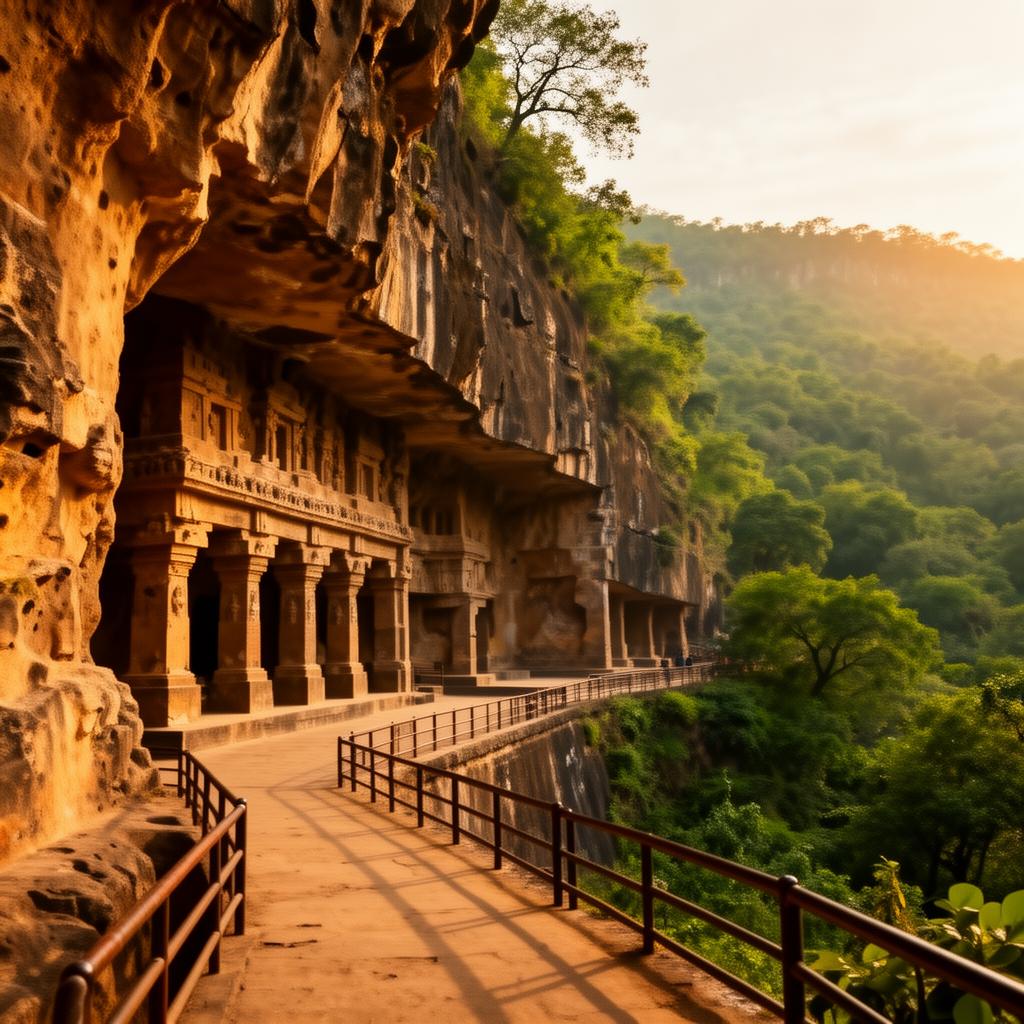
Bishnupur
HeritageBishnupur, a town nestled in the Bankura district of West Bengal, is renowned for its exquisite terracotta temples and rich cultural heritage. Often referred to as the 'Temple Town of Bengal', Bishnupur stands as a testament to the Malla dynasty's architectural prowess and artistic sophistication.
About Bishnupur
Bishnupur, a town nestled in the Bankura district of West Bengal, is renowned for its exquisite terracotta temples and rich cultural heritage. Often referred to as the 'Temple Town of Bengal', Bishnupur stands as a testament to the Malla dynasty's architectural prowess and artistic sophistication. The temples, built predominantly in the 17th and 18th centuries, feature intricate terracotta carvings depicting mythological scenes, epic stories, and daily life. Beyond its temples, Bishnupur is also famous for its unique Baluchari sarees, known for their elaborate motifs, and for being the birthplace of the Bishnupur Gharana of Hindustani classical music. A visit to Bishnupur offers a journey back in time, allowing visitors to immerse themselves in a legacy of art, devotion, and craftsmanship. The serene rural landscape surrounding the town adds to its charm, making it a perfect destination for history buffs, art lovers, and those seeking a peaceful retreat.
History
The history of Bishnupur is inextricably linked with the Malla dynasty, which ruled the region for several centuries, reaching its zenith in the 17th and 18th centuries under kings like Bir Hambir and Raghunath Singh. The Mallas were Vaishnavites and under their patronage, Bishnupur flourished as a prominent center of art, culture, and religion. During this period, the iconic terracotta temples were constructed, using burnt clay bricks, a readily available material, to create structures of unparalleled beauty and intricacy. These temples reflect a unique architectural style known as 'Eka-ratna', 'Pancha-ratna', and 'Jor-Bangla', blending local traditions with influences from Odisha and Muslim architecture. The Malla kings also fostered the development of the Bishnupur Gharana of classical music and promoted the art of Baluchari saree weaving. The decline of the Mallas in the late 18th century, partly due to Maratha invasions and British policies, led to a period of decline, but Bishnupur's artistic and historical legacy remains vividly preserved in its temples and traditions.
Highlights
- Shyam Rai Temple (Pancha Ratna Temple) with exquisite terracotta carvings
- Jor-Bangla Temple, a unique twin-hut structure
- Rashmancha, an iconic pyramid-shaped brick structure
- Madan Mohan Temple, a fine example of Eka-ratna style
- Dal Madol Cannon, a massive iron cannon
- Visit the Bishnupur Museum to learn about Malla history
- Shop for authentic Baluchari sarees and local handicrafts
- Explore the intricate details of the Lalji Temple
Visitor Information
Plan your visit to Bishnupur.
Discover the heritage and culture of India.