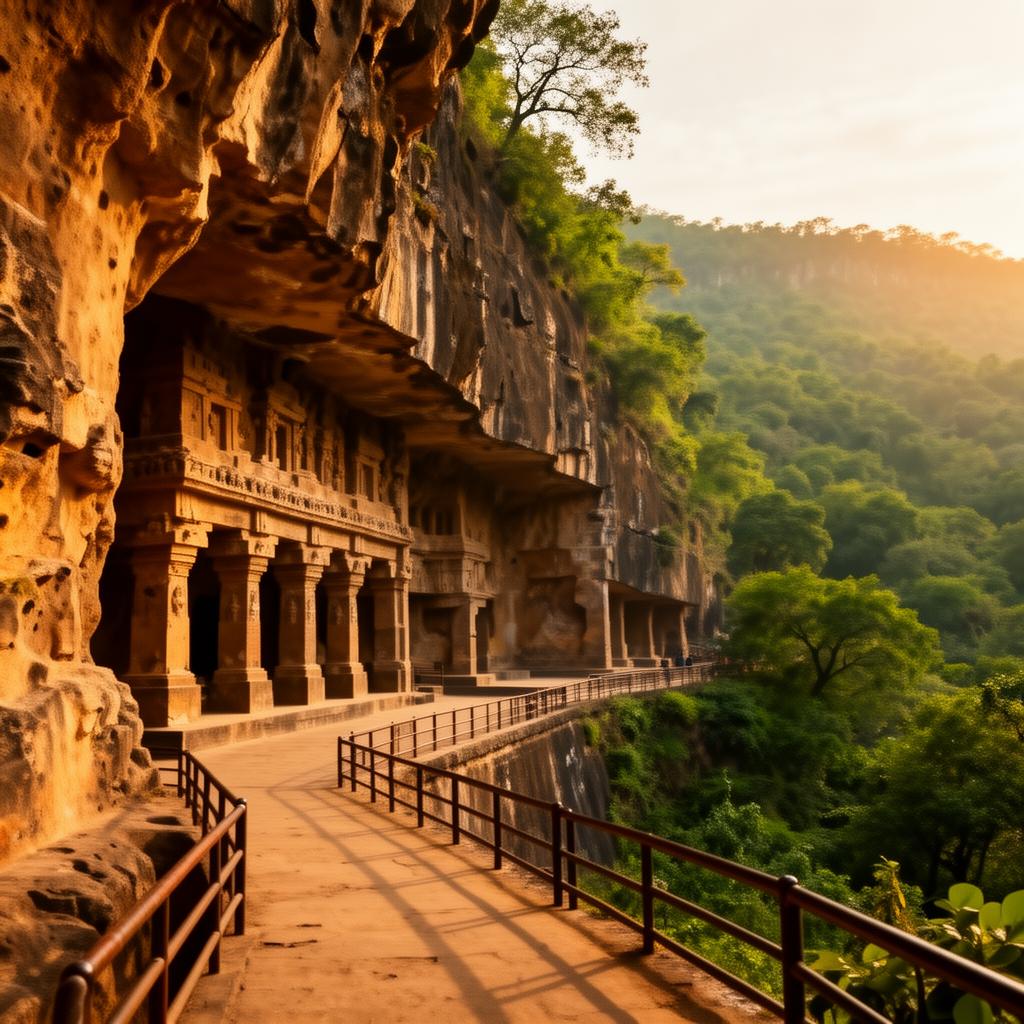
Bastar
Wildlife|Heritage|AdventureBastar, located in the southern part of Chhattisgarh, is a captivating region renowned for its dense forests, rich tribal culture, and pristine natural beauty. Often called the 'Dakshin Ka Kashmir' (Kashmir of the South), it's a treasure trove of waterfalls, caves, lush valleys, and unique ecosystems.
About Bastar
Bastar, located in the southern part of Chhattisgarh, is a captivating region renowned for its dense forests, rich tribal culture, and pristine natural beauty. Often called the 'Dakshin Ka Kashmir' (Kashmir of the South), it's a treasure trove of waterfalls, caves, lush valleys, and unique ecosystems. The region is home to several indigenous tribal communities, each with its distinct customs, art forms, and languages, offering a profound cultural immersion experience. Bastar is a land of vibrant festivals, traditional dance forms, and exquisite handicrafts, particularly bell metal and wrought iron artistry. It's an ideal destination for eco-tourism, cultural exploration, and adventure activities, providing a serene escape from urban life and a deep dive into India's tribal heartland.
History
The history of Bastar is deeply intertwined with the ancient Dandakaranya forest, mentioned in the Hindu epic Ramayana. The region was historically ruled by the Naga, Nala, and Kakatiya dynasties. The Kakatiya dynasty, originating from Warangal, established its rule in Bastar around the 14th century, after the decline of their empire in the Telugu-speaking regions. Maharaja Annamaraja is credited with founding the Kakatiya dynasty in Bastar. Under their reign, Bastar developed as a significant cultural and administrative center. The region also played a role in the Indian freedom struggle, with several tribal uprisings against British colonial rule, known for their resilience and spirit. Post-independence, Bastar was part of the Madhya Pradesh state until the formation of Chhattisgarh in 2000. The historical legacy is still visible in the ancient temples, monuments, and the enduring traditions of its tribal communities, making it a rich historical and cultural landscape.
Highlights
- Witness the majestic Chitrakote Waterfalls, often called 'The Niagara of India'.
- Explore the mystical Kanger Valley National Park and its limestone caves.
- Visit the serene Tirathgarh Waterfalls, a multi-tiered cascade.
- Discover the rich tribal culture at the Anthropological Museum in Jagdalpur.
- Experience rural life and local crafts in Jagdalpur and surrounding villages.
- Marvel at the ancient Danteshwari Temple in Dantewada.
- Go birdwatching and enjoy nature walks in the dense forests.
- Attend the vibrant Bastar Dussehra festival (seasonal).
- Buy unique bell metal and wrought iron handicrafts.
- Visit the Kailash and Kutumsar Caves for an adventurous caving experience.
Visitor Information
Plan your visit to Bastar.
Discover the heritage and culture of India.