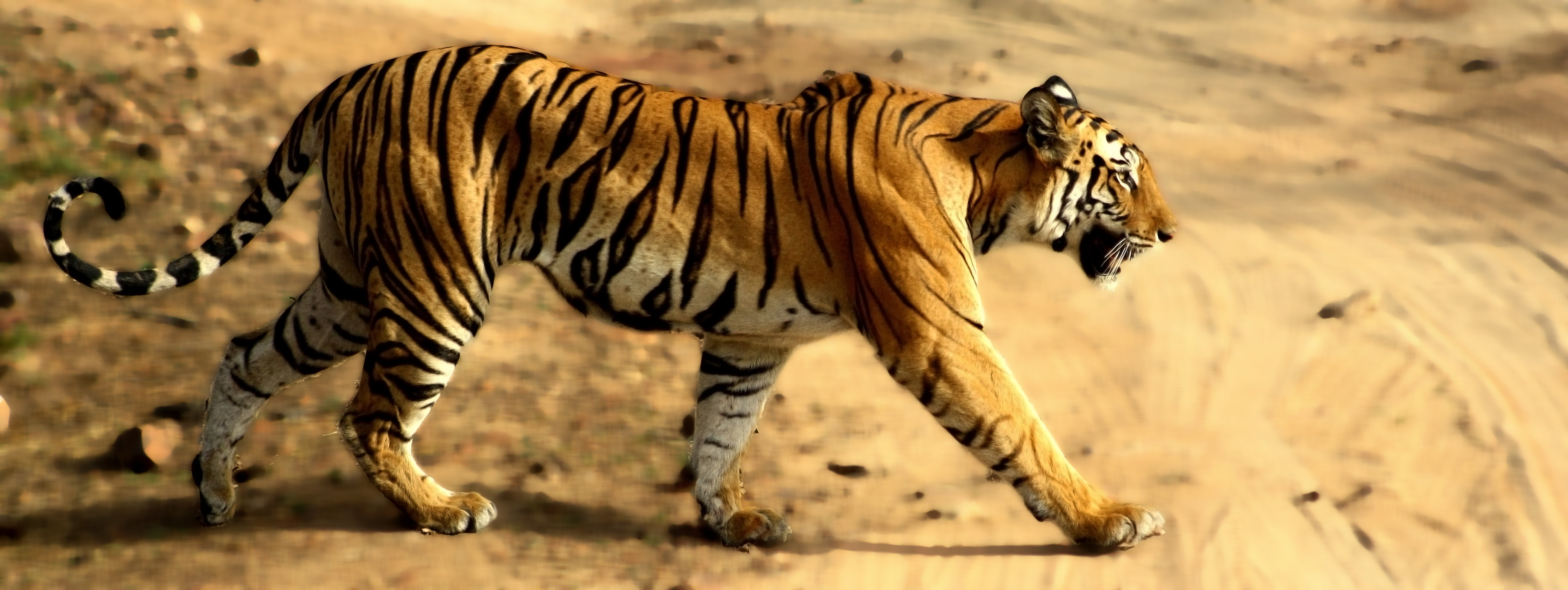
Bandhavgarh National Park
National ParkBandhavgarh National Park, nestled in the heart of Madhya Pradesh, India, is one of the country's most renowned wildlife sanctuaries, primarily celebrated for its high density of Bengal tigers. The park's diverse landscape ranges from steep ridges, undulating forests, and grassy meadows to the ancient Bandhavgarh Fort, perched majestically atop a hill.
About Bandhavgarh National Park
Bandhavgarh National Park, nestled in the heart of Madhya Pradesh, India, is one of the country's most renowned wildlife sanctuaries, primarily celebrated for its high density of Bengal tigers. The park's diverse landscape ranges from steep ridges, undulating forests, and grassy meadows to the ancient Bandhavgarh Fort, perched majestically atop a hill. This unique terrain provides an ideal habitat for a rich variety of flora and fauna, making every safari an unpredictable and thrilling adventure. Beyond tiger sightings, visitors can marvel at leopards, various deer species such as spotted deer and sambar, wild boars, and over 250 species of birds. The park's commitment to conservation and its well-maintained safari routes ensure an immersive and unforgettable experience for nature enthusiasts and wildlife photographers alike. Whether it's the thrill of a tiger spotting or the tranquility of the lush surroundings, Bandhavgarh promises a captivating journey into the wild heart of India.
History
The history of Bandhavgarh is as captivating as its wildlife, steeped in ancient lore and royal patronage. Originally a hunting reserve for the Maharaja of Rewa, Bandhavgarh's legacy dates back centuries. The ancient Bandhavgarh Fort, located within the park, is believed to be over 2,000 years old, with scriptures indicating its existence from the Ramayana period. Legend has it that Lord Rama gifted the fort to his brother Lakshmana, hence the name 'Bandhav-garh' meaning 'Brother's Fort'. The dense forests surrounding the fort were preserved due to their significance as royal hunting grounds. It was only in 1968 that the area was declared a National Park, and later a Tiger Reserve in 1993 under Project Tiger. This shift marked a crucial turning point, transforming it from a royal preserve into a conservation stronghold, dedicated to protecting its priceless biodiversity, especially its magnificent tiger population, for future generations. The ruins and caves within the park still whisper tales of its glorious past.
Highlights
- Experience thrilling tiger safaris in open jeeps
- Explore the ancient Bandhavgarh Fort and its historical ruins
- Spot diverse wildlife including leopards, deer, and various bird species
- Visit the Shesh Shaiya, a reclining Vishnu statue within the fort
- Enjoy elephant safaris (subject to availability and park regulations)
- Discover the rich biodiversity of flora and fauna
- Capture stunning wildlife photography opportunities
- Learn about conservation efforts and the park's history
- Witness a high density of Bengal tigers in their natural habitat
- Birdwatching for over 250 species of avian life
Visitor Information
Plan your visit to Bandhavgarh National Park.
Discover the heritage and culture of India.